

Visitas de estudioStudy Visits
Visitas de estudio de LeadEx: aprendizaje interregional sobre el desarrollo profesional continuo del profesorado y la educación inclusiva.LeadEx study visits: interregional learning on teachers’ continuous professional development and inclusive education.
Lo último: crónica de la visita de estudio a Montenegro (6–8 de octubre de 2026) ↓
Visita de estudio de LeadEx a Estonia: la Región de Murcia avanza en los trabajos preparatorios
El socio líder celebra una reunión de coordinación para organizar la primera visita de estudio, prevista para marzo de 2026.
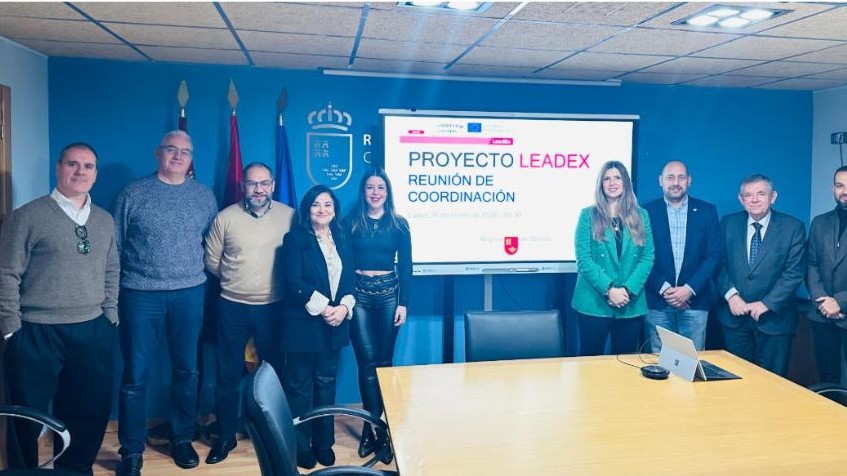
El lunes 26 de enero de 2026, la Región de Murcia, como socio líder del proyecto LeadEx, celebró una reunión de coordinación para avanzar en la preparación interna de la primera visita de estudio del proyecto, que tendrá lugar en Estonia del 9 al 11 de marzo de 2026. En la reunión participaron miembros de la Consejería de Educación y Formación Profesional implicados en la coordinación y la ejecución del proyecto.
La sesión se centró en organizar el trabajo preparatorio necesario para garantizar una visita de estudio coherente y eficaz, dedicada al análisis y al intercambio de buenas prácticas en desarrollo profesional continuo (DPC) del profesorado. Entre los aspectos tratados figuraron la definición de los objetivos de aprendizaje, la estructura de la visita y la coordinación de los mensajes y materiales que se compartirán con las regiones socias y con los agentes educativos estonios.
En su papel de socio líder, la Región de Murcia revisó el marco de coordinación de las semanas siguientes, incluidos el reparto interno de tareas, el calendario y la preparación de pautas y plantillas comunes. Estos elementos ayudarán a las regiones socias a aportar contenidos relevantes y garantizarán la coherencia de todas las actividades de la visita.
La reunión sirvió también para valorar el avance del segundo semestre del proyecto, centrado en identificar y analizar buenas prácticas de desarrollo profesional docente. Se hizo especial hincapié en la necesidad de sistematizar las evidencias y las lecciones aprendidas para aprovechar al máximo la visita de estudio y las fases posteriores de aprendizaje de políticas.
Esta reunión interna de coordinación supone un paso importante para reforzar el liderazgo de la Región de Murcia en el proyecto LeadEx. Con una mejor coordinación interna y una planificación más sólida, el socio líder sigue sentando las bases de una primera visita de estudio bien estructurada, que favorezca el aprendizaje interregional y el intercambio de políticas a escala europea.
La visita de estudio de LeadEx a Estonia acoge un seminario interregional sobre el desarrollo profesional docente
Una delegación de la Región de Murcia, encabezada por la secretaria general de la Consejería de Educación y Formación Profesional, participa en un programa de tres días de intercambios institucionales, un seminario interregional y visitas de estudio en Tallin.
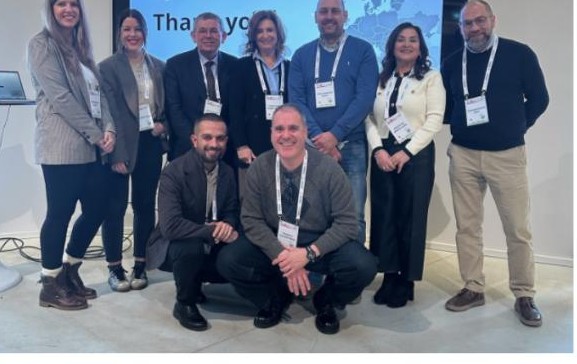
Del 9 al 11 de marzo de 2026, Tallin acogió la primera visita de estudio del proyecto LeadEx, que reunió a representantes de las regiones socias y de organizaciones europeas para conocer el sistema educativo estonio e intercambiar experiencias sobre el desarrollo profesional continuo (DPC) del profesorado. La visita forma parte de las actividades de aprendizaje de políticas previstas en el proyecto y permitió conocer de primera mano las políticas y prácticas que han situado a Estonia entre los sistemas educativos más innovadores de Europa.
La Región de Murcia, como socio líder del proyecto LeadEx, participó con una delegación de la Consejería de Educación y Formación Profesional encabezada por la secretaria general, lo que refuerza su papel en la coordinación del proyecto y en el impulso de la cooperación interregional en política educativa.
Deslice o use las flechas para ver todas las fotos →
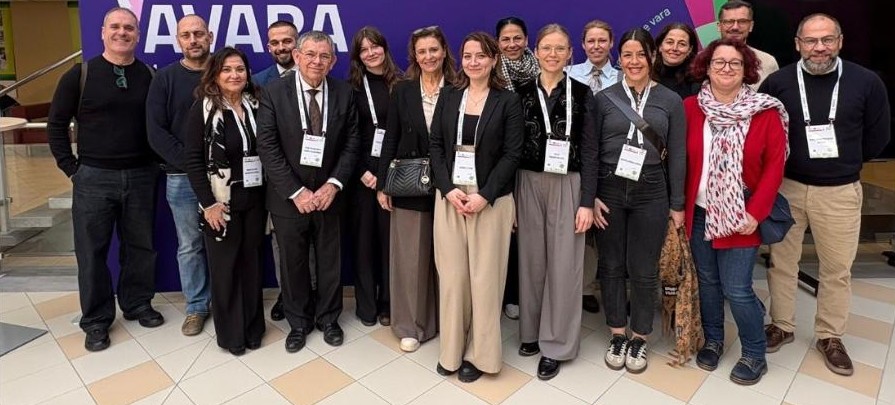
Conocer el sistema educativo estonio
El programa comenzó el 9 de marzo en Kultuurikatel, con la apertura oficial a cargo de representantes de la Agencia Estonia de Calidad Educativa (HAKA). Las primeras sesiones ofrecieron una visión general del sistema educativo estonio: su evolución, su estructura actual y sus retos de futuro. Expertos de las autoridades educativas estonias presentaron sus principales rasgos y debatieron con los socios del proyecto sobre los factores que explican el alto rendimiento educativo de Estonia.
Durante la mañana, los participantes revisaron también el Informe Conjunto de Diagnóstico Educativo Regional, que analiza la situación del desarrollo profesional docente en las regiones participantes. El debate se centró en identificar oportunidades para mejorar los instrumentos de política y reforzar la cooperación entre las regiones socias.
Por la tarde se celebró una reunión del Comité de Dirección, presidida por la Región de Murcia como socio líder, en la que los socios revisaron el avance del proyecto, debatieron las siguientes fases de ejecución y coordinaron las próximas actividades. La jornada concluyó con una visita guiada al casco histórico de Tallin, que facilitó el intercambio informal entre los participantes.
Seminario interregional sobre desarrollo profesional docente
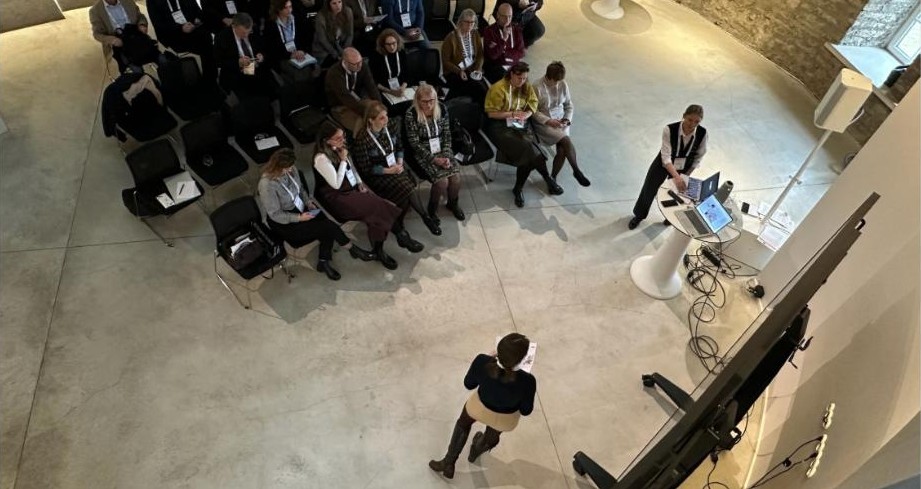
La segunda jornada se dedicó a un seminario interregional celebrado en la Universidad de Tallin, centrado en el desarrollo profesional docente y en la colaboración entre instituciones educativas.
Representantes del Ministerio de Educación e Investigación de Estonia presentaron las políticas nacionales de apoyo al desarrollo profesional docente y destacaron el enfoque estonio del aprendizaje permanente del profesorado y la importancia de las comunidades profesionales de aprendizaje. Expertos de la Universidad de Tallin compartieron su experiencia en el fomento de la colaboración entre universidades, centros educativos y docentes para impulsar la innovación educativa y mejorar la práctica docente.
El seminario incluyó presentaciones de varias regiones socias, entre ellas España, Dinamarca, Polonia y Eslovenia, que expusieron sus sistemas e intercambiaron puntos de vista sobre los retos comunes para acompañar al profesorado a lo largo de su carrera. La sesión concluyó con talleres y una mesa redonda sobre cómo adaptar y transferir lo aprendido en Estonia a los distintos contextos regionales del proyecto.
Visitas institucionales e iniciativas de educación digital
El 11 de marzo, el programa continuó con visitas institucionales a organismos clave del ecosistema educativo estonio. Los socios se dividieron en grupos para conocer con más detalle las instituciones que intervienen en la política educativa, el desarrollo de los centros y el aseguramiento de la calidad.
El grupo del que formaba parte la delegación española visitó el Ministerio de Educación e Investigación de Estonia, donde se abordaron el liderazgo educativo, las políticas docentes y la gobernanza del sistema educativo nacional. Después, los participantes se desplazaron a la Escuela de Servicios de Tallin (TEKO), centro de Formación Profesional, donde conocieron el modelo estonio de Formación Profesional y los mecanismos que garantizan la calidad y la pertinencia de su oferta formativa.
La visita concluyó con una sesión conjunta sobre iniciativas de educación digital organizada por la Agencia Estonia de Educación y Juventud (HARNO), en la que los participantes conocieron las estrategias de Estonia para integrar las tecnologías digitales en la educación y apoyar a centros y docentes en el desarrollo de la competencia digital.
Reforzar la cooperación europea en política educativa
La visita de estudio fue una oportunidad importante para el aprendizaje de políticas, el diálogo y la colaboración entre los socios de LeadEx. Gracias a las presentaciones, las reuniones institucionales y los intercambios con expertos estonios, los participantes obtuvieron ideas valiosas sobre políticas y prácticas que pueden inspirar mejoras en sus propios sistemas educativos.
Para la Región de Murcia, la visita supone un hito en la ejecución del proyecto LeadEx: refuerza su papel de socio líder y contribuye a desarrollar enfoques innovadores en el desarrollo profesional docente y el liderazgo educativo en Europa.
Reunión de coordinación de LeadEx: la Región de Murcia fija la hoja de ruta del tercer semestre del proyecto
El socio líder revisa los avances logrados y establece las prioridades de las próximas actividades, con la visita de estudio a Montenegro de octubre de 2026 como hito clave.
El lunes 25 de mayo de 2026, la Consejería de Educación y Formación Profesional de la Región de Murcia, como socio líder del proyecto LeadEx, celebró una reunión de coordinación para definir la siguiente fase de trabajo y preparar las actividades del tercer semestre del proyecto. La reunión sirvió no solo para fijar las prioridades futuras, sino también para valorar los avances de las fases anteriores y reforzar la orientación estratégica del proyecto.
La sesión reunió a los principales responsables regionales del liderazgo y la ejecución del proyecto, entre ellos Carmen María Zamora Párraga, secretaria general de la Consejería de Educación y Formación Profesional; María del Carmen Balsas Ramón, directora general de Recursos Humanos, Planificación Educativa e Innovación, y Pedro Mondéjar Mateo, director general de Atención a la Diversidad. Su participación refleja el compromiso institucional de la Región de Murcia con el proyecto y sus objetivos, tanto a escala regional como europea.
Los debates se centraron en establecer la hoja de ruta de los próximos meses y definir las acciones que guiarán la ejecución durante el tercer semestre. Se prestó especial atención a la próxima visita de estudio a Montenegro, prevista del 6 al 8 de octubre de 2026, uno de los principales hitos de la siguiente fase del proyecto. Entre los asuntos tratados figuraron los trabajos preparatorios de la visita, los resultados de aprendizaje esperados y los mecanismos de coordinación entre socios.
Además de la planificación, la sesión permitió revisar y consolidar el trabajo de los semestres anteriores. Los participantes hicieron una valoración completa de los avances, analizaron las actividades desarrolladas y reflexionaron sobre las lecciones aprendidas durante la ejecución, con el fin de garantizar la continuidad entre lo ya logrado y las acciones futuras y de reforzar una visión compartida entre todos los agentes implicados.
Se hizo especial hincapié en la identificación y el análisis de la buena práctica seleccionada en el eje temático de Inclusión, Diversidad y Excelencia (IDE): su pertinencia para los objetivos generales del proyecto y su posible contribución al aprendizaje interregional y a la elaboración de políticas. El intercambio puso de relieve la importancia de recopilar evidencias, documentar experiencias y reforzar la transferibilidad de los enfoques educativos innovadores entre las regiones socias.
Como socio líder, la Región de Murcia revisó también el marco de coordinación del próximo periodo, incluidos el calendario, las responsabilidades y la alineación de las actividades entre las regiones participantes. La reunión reafirmó la importancia de mantener un enfoque estructurado y colaborativo para garantizar la coherencia de todas las acciones del proyecto.
Esta reunión de coordinación es un nuevo paso en la consolidación del liderazgo de la Región de Murcia en el proyecto LeadEx. Al revisar lo logrado y sentar a la vez las bases de las próximas actividades, el socio líder sigue reforzando las condiciones para una cooperación eficaz, el aprendizaje de políticas y la promoción de sistemas educativos inclusivos y excelentes en Europa.
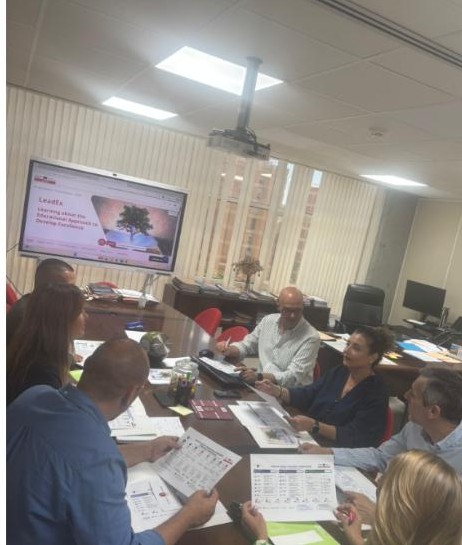
Visita de estudio de LeadEx a Montenegro: la Región de Murcia ultima los preparativos
El socio líder celebra una reunión de coordinación para preparar a su delegación para la visita de estudio sobre inclusión, diversidad y excelencia en educación, en Budva y Kotor del 6 al 8 de octubre de 2026.
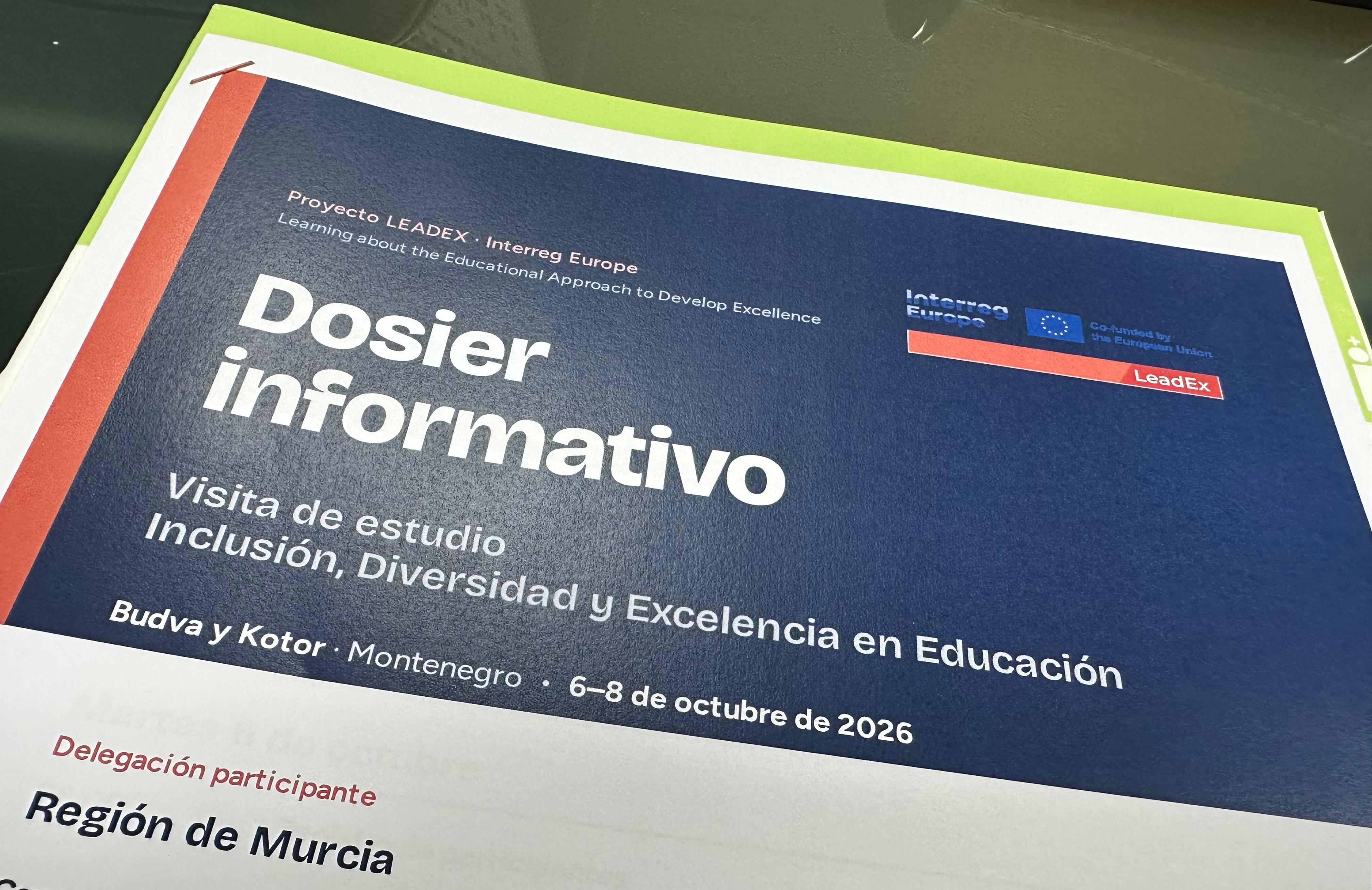
El miércoles 16 de septiembre de 2026, la Consejería de Educación y Formación Profesional de la Región de Murcia, como socio líder del proyecto LeadEx, celebró una reunión de coordinación para preparar la participación de la delegación regional en la próxima visita de estudio del proyecto, que tendrá lugar en Budva y Kotor (Montenegro) del 6 al 8 de octubre de 2026. Organizada por el Centro de Formación Profesional de Montenegro, la visita se centrará en la inclusión, la diversidad y la excelencia (IDE) en educación.
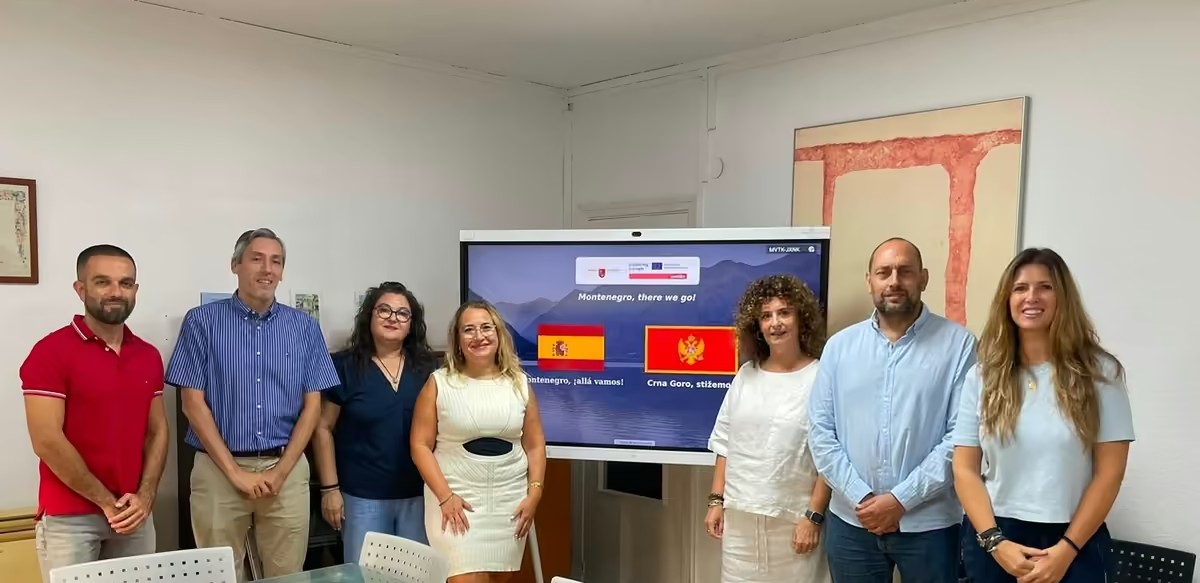
La reunión giró en torno a un dosier informativo y una presentación elaborados específicamente para la delegación. La Región de Murcia estará representada por una delegación encabezada por Carmen María Zamora Párraga, secretaria general de la Consejería de Educación y Formación Profesional, junto con Pedro Mondéjar Mateo, director general de Atención a la Diversidad, personal técnico de la Consejería y una persona en representación de Plena Inclusión Región de Murcia.
Deslice o use las flechas para ver todas las fotos →
La buena práctica que presentará la Región de Murcia
Uno de los puntos centrales del orden del día fue la buena práctica que la Región de Murcia compartirá en la sesión de socios del 6 de octubre: su modelo de educación inclusiva, basado en el programa INCLU-YO y en la red de CREI. El modelo supone un cambio de paradigma: pasar de un enfoque centrado en el déficit a la personalización del aprendizaje y la plena inclusión de todo el alumnado.
INCLU-YO, en marcha desde 2024, acompaña a los centros mediante el análisis de cada centro y cada aula, la organización escolar inclusiva y las subredes de apoyo. A través de los CREI, los centros de educación especial actúan como centros de recursos que asesoran a los centros ordinarios, con el modelado en el aula como metodología principal. Los resultados del curso 2025-2026 muestran el alcance de este trabajo:
Como el inglés será la lengua de trabajo durante toda la visita, la delegación revisó también la preparación de los materiales de la presentación en inglés y el tiempo asignado a la intervención.
Un programa de tres días en Budva y Kotor
Los participantes repasaron el programa definitivo facilitado por la organización anfitriona, que combina diálogo sobre políticas, intercambios entre socios y visitas institucionales:
- Martes 6 de octubre · Budva. Presentación del sistema educativo de Montenegro —su pasado, su presente y su futuro—, buenas prácticas de todos los países socios, visita al Centro de Formación Profesional «Danilo Kiš» y reunión del Comité de Dirección de LeadEx.
- Miércoles 7 de octubre · Kotor y Budva. Visitas institucionales a la Facultad de Estudios Marítimos y al Instituto Marítimo de Kotor, centradas en el aprendizaje permanente, los vínculos entre educación y mercado laboral, y la inclusión y el acceso en la Educación Superior y la Formación Profesional, seguidas de buenas prácticas locales en la Knowledge Academy.
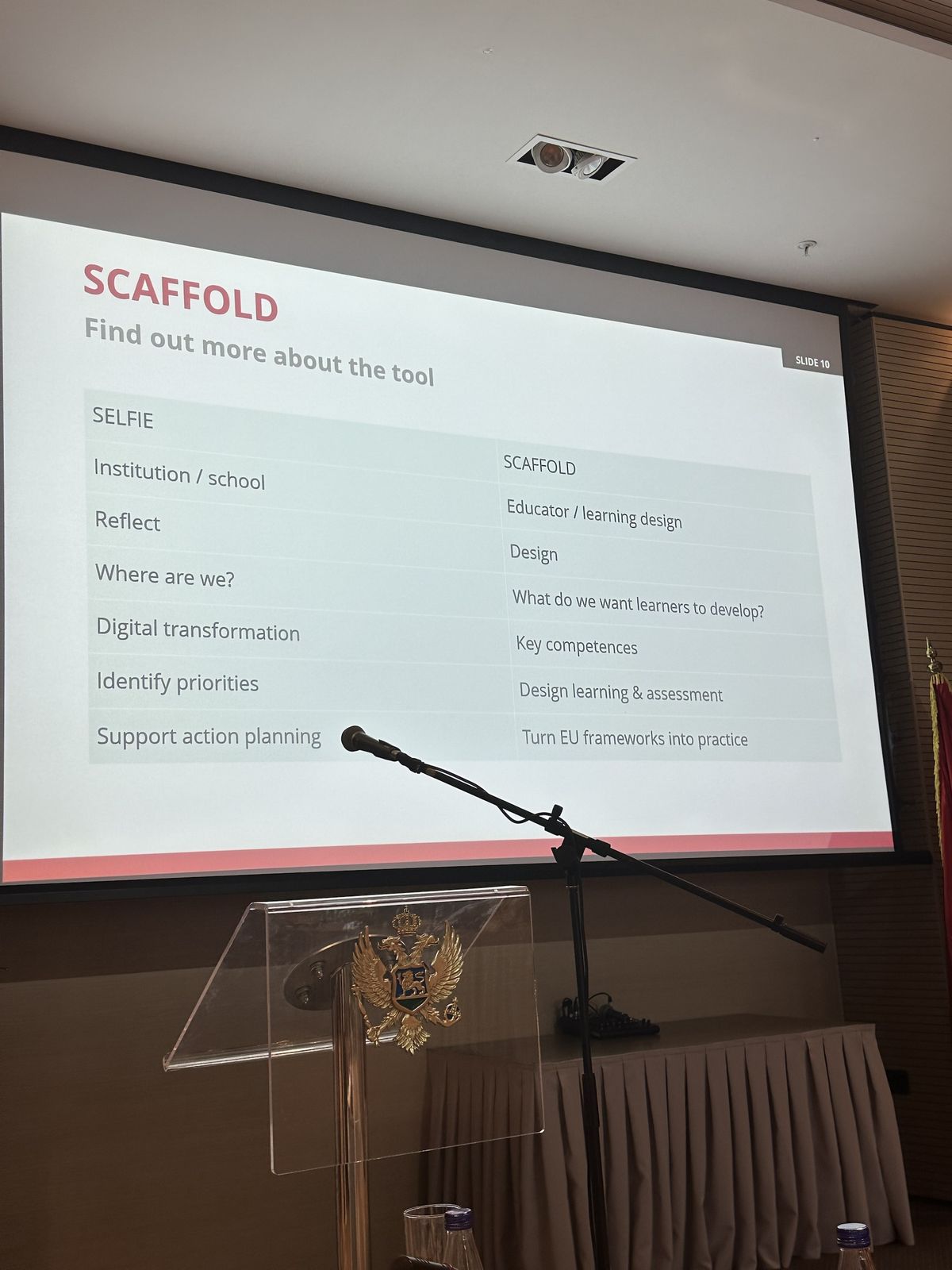
- Jueves 8 de octubre · Budva. Sesiones sobre iniciativas de educación digital y sobre aseguramiento de la calidad y educación inclusiva; talleres paralelos sobre políticas inclusivas y liderazgo y sobre innovación, herramientas digitales y competencias docentes; presentación de las herramientas europeas SELFIE y SCAFFOLD, y plenario de clausura: «¿Qué nos llevamos a casa?»
Coordinación y aspectos prácticos
La reunión abordó también los aspectos organizativos de la visita, como los desplazamientos, el alojamiento, el transporte en grupo entre sedes y las recomendaciones prácticas compartidas con todos los miembros de la delegación: seguro de viaje, conectividad móvil, lengua de trabajo y puntualidad en los puntos de encuentro.
Esta reunión de coordinación cierra la fase de preparación de la próxima visita de estudio del proyecto LeadEx. Con un programa compartido, funciones claras y una buena práctica lista para presentarse, la Región de Murcia refuerza su liderazgo como socio líder y su compromiso con el aprendizaje interregional sobre sistemas educativos inclusivos y excelentes. Como rezaba la pantalla de la sala en tres idiomas: «Montenegro, there we go!»
Crónica de la visita de estudio de LeadEx a Montenegro: inclusión, diversidad y excelencia en educación
Tres días de seminario interregional, visitas a centros educativos y talleres en Budva y Kotor, organizados por el Centro de Formación Profesional de Montenegro.
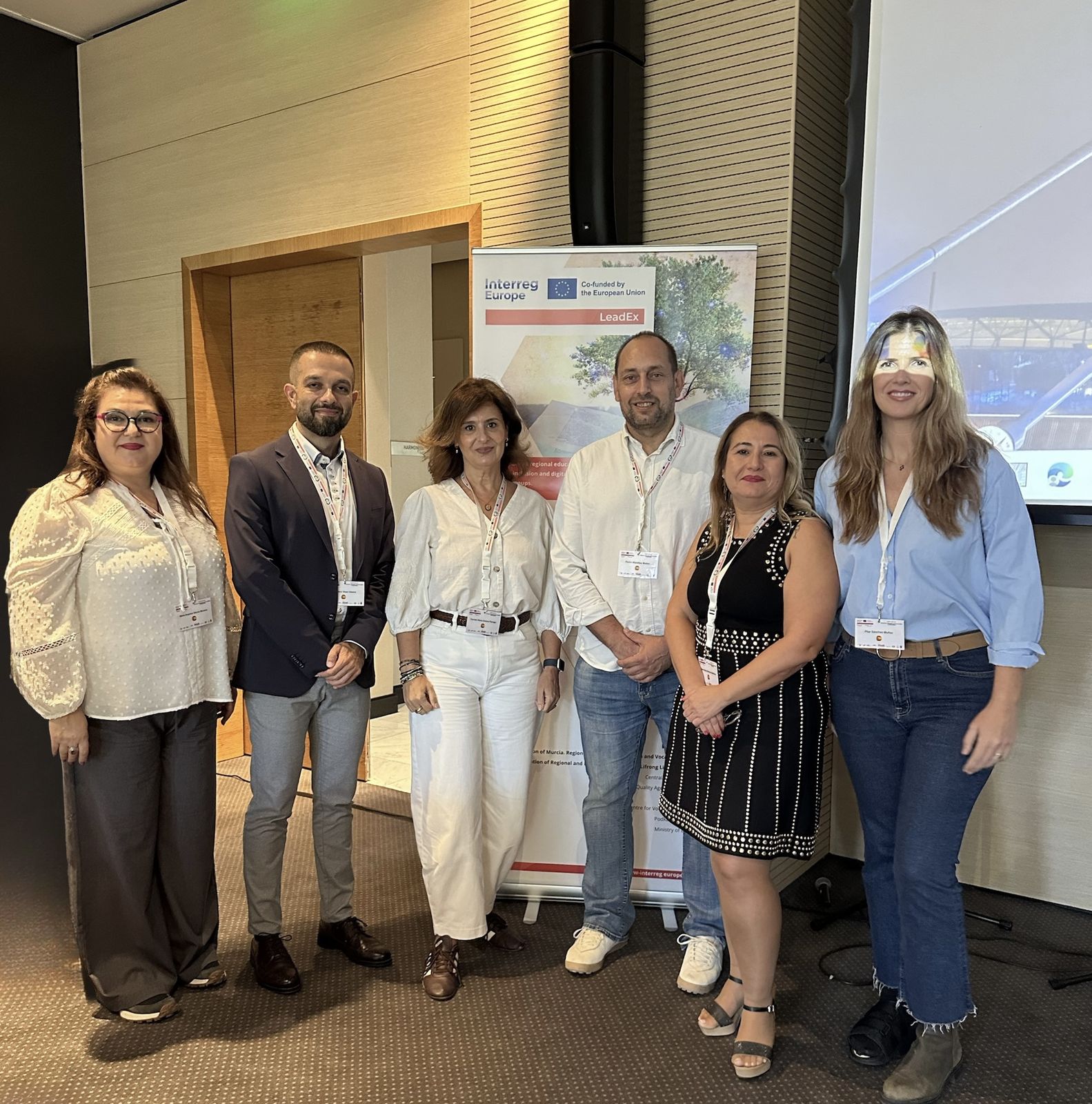
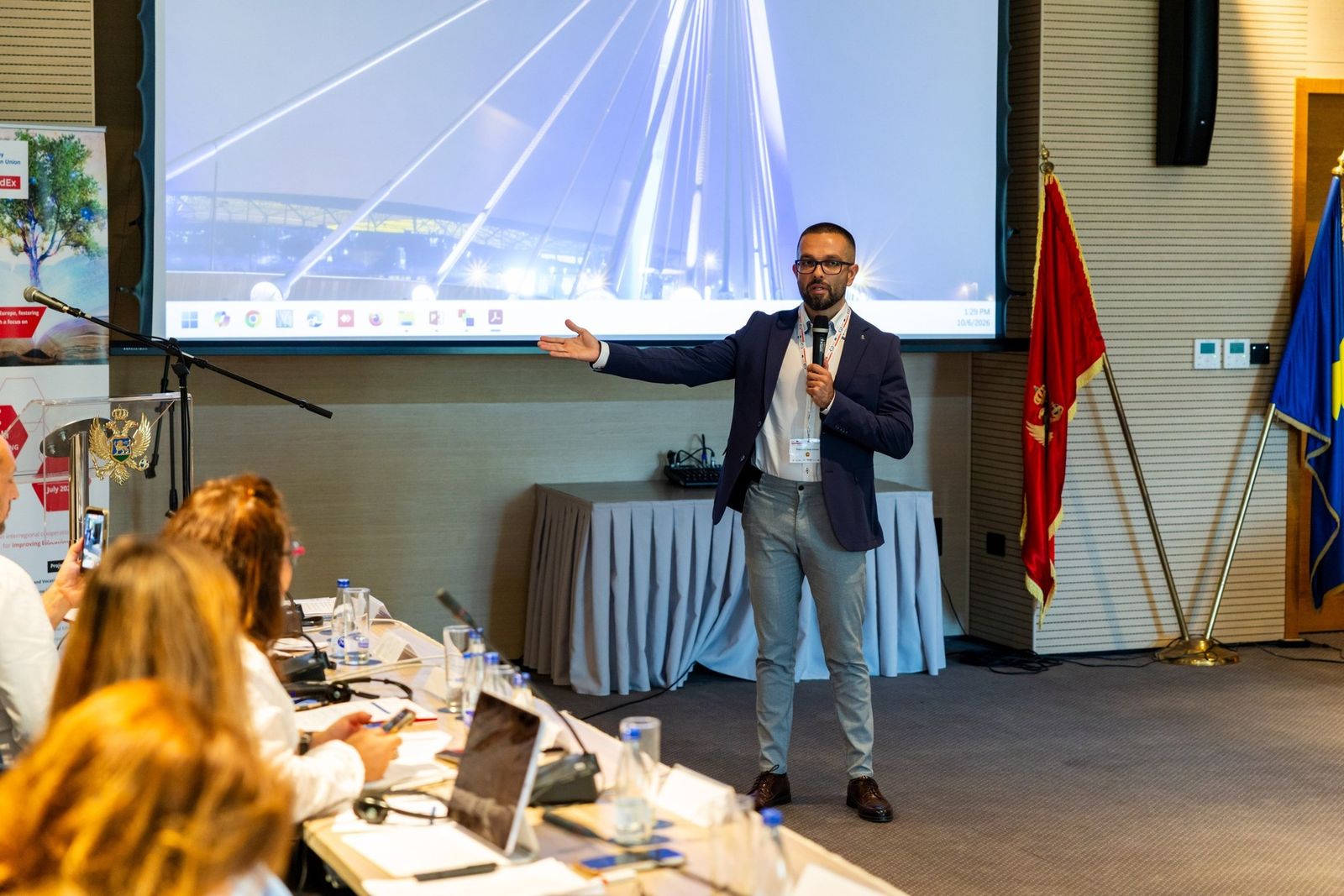
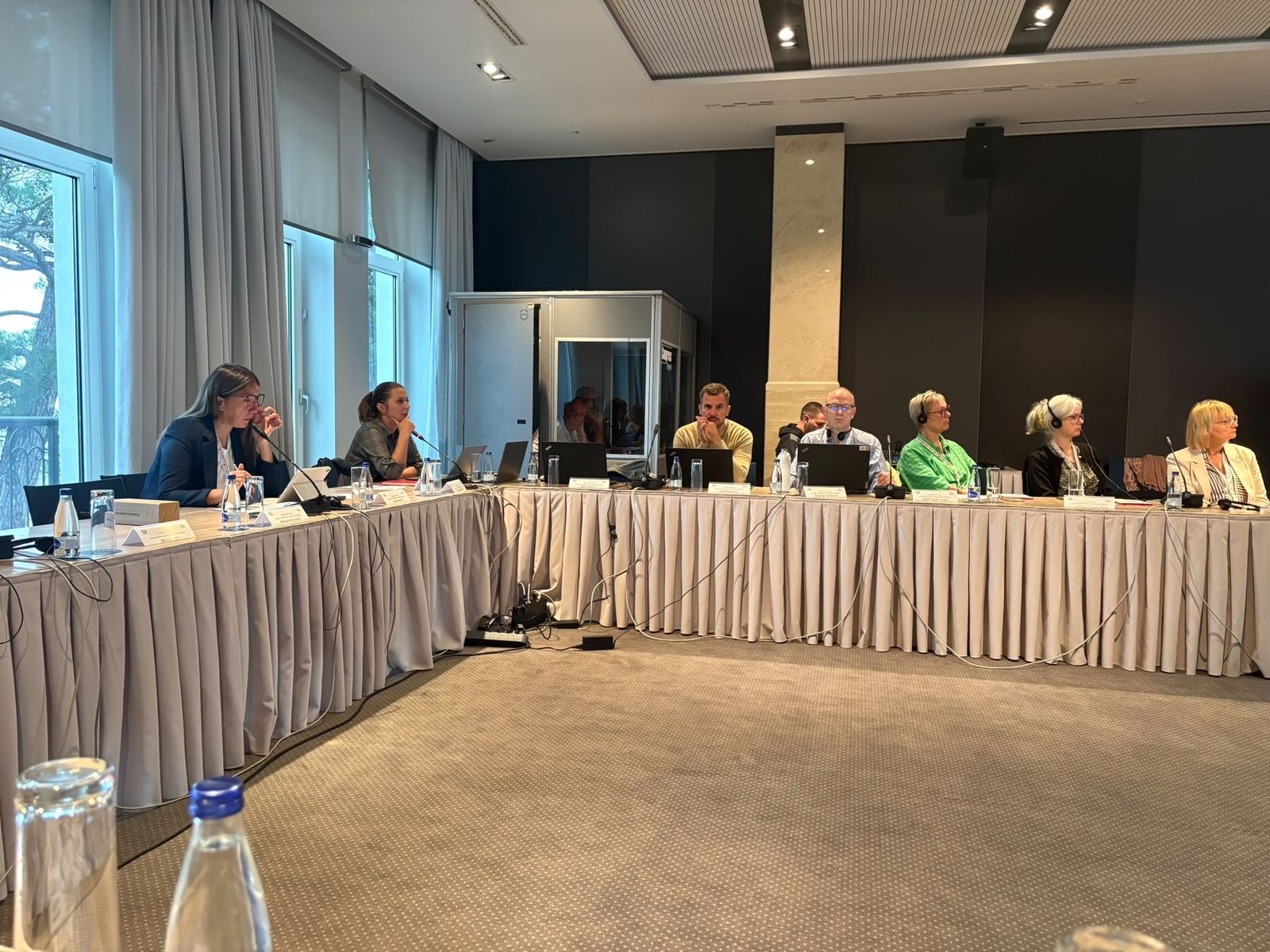
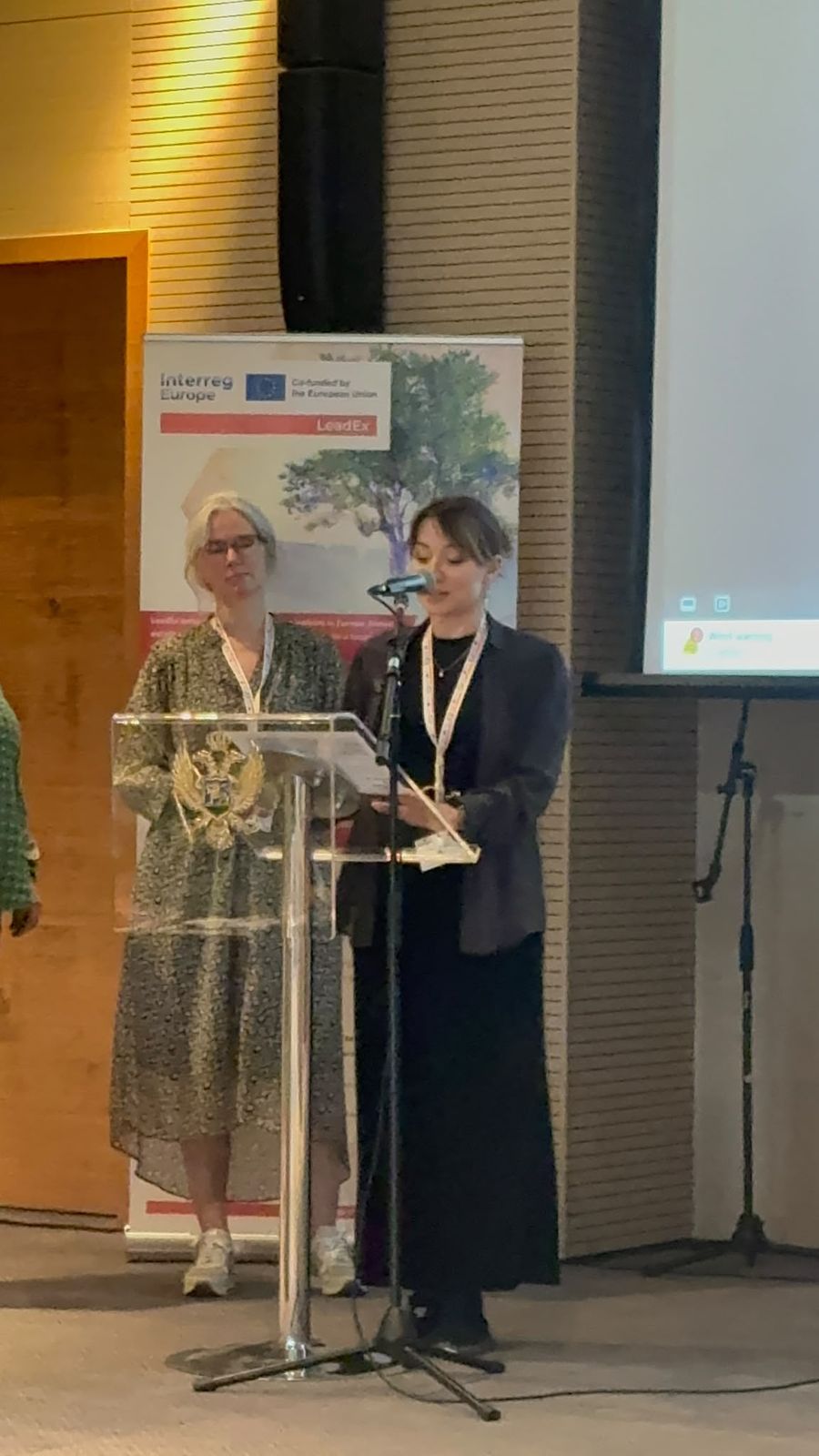
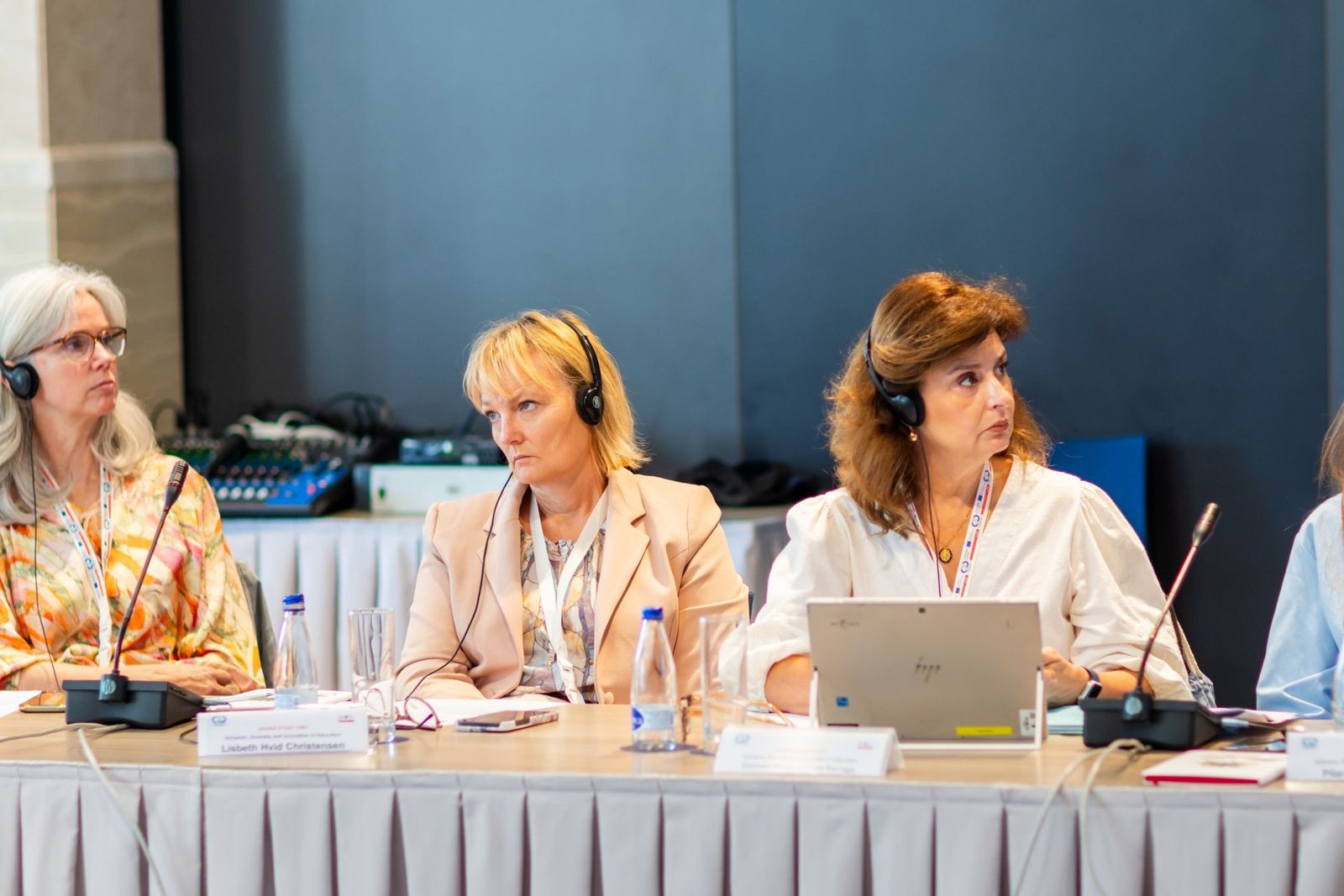
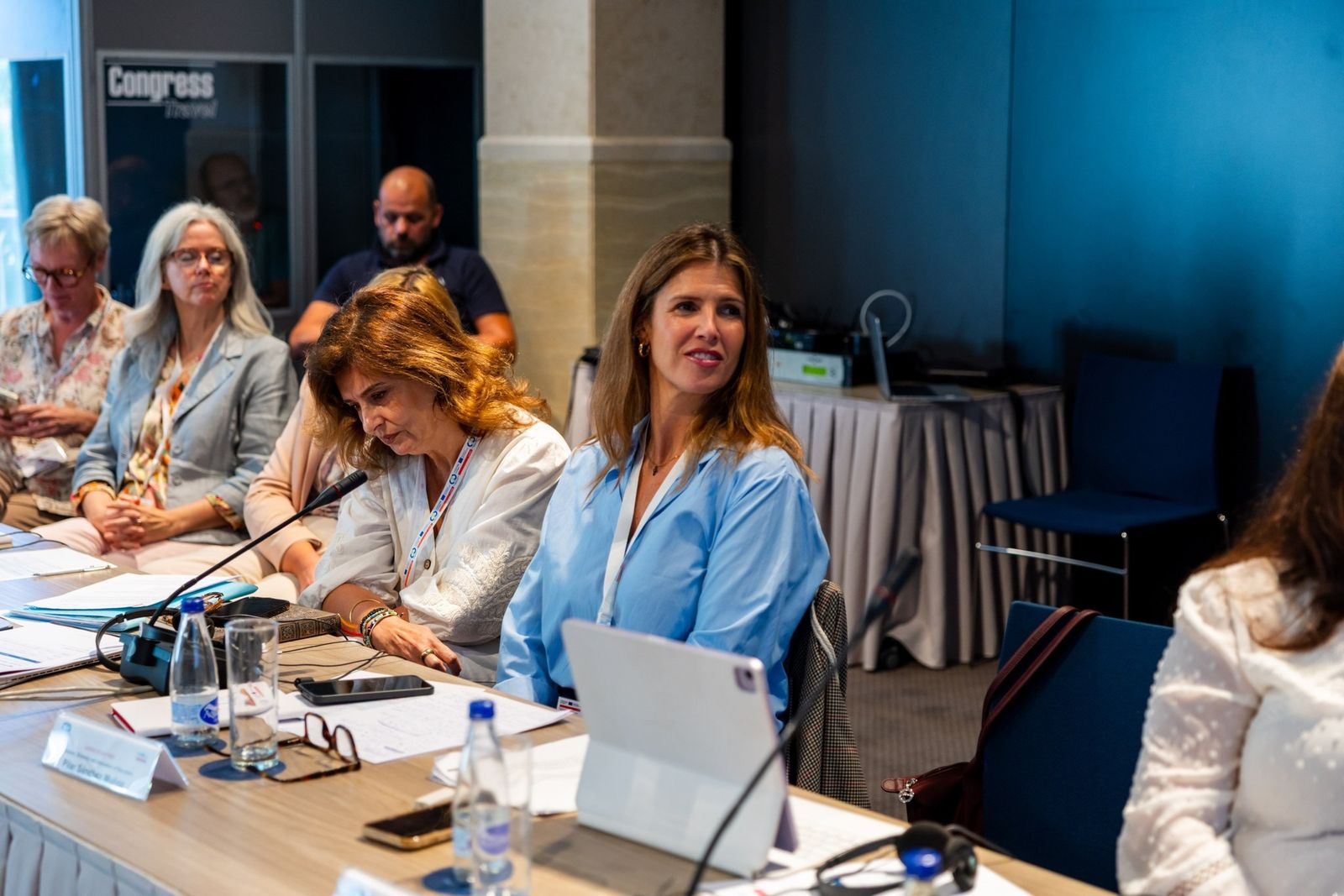
Del 6 al 8 de octubre de 2026, Budva y Kotor acogieron la segunda visita de estudio del proyecto LeadEx, organizada por el Centro de Formación Profesional de Montenegro (JU Centar za stručno obrazovanje). Planteada como el II Seminario Educativo Interregional sobre inclusión, diversidad y excelencia, la visita reunió a los socios en torno a una pregunta compartida: ¿cómo puede la educación responder a las necesidades de cada estudiante?
La Región de Murcia, socio líder del proyecto, participó con una delegación de la Consejería de Educación y Formación Profesional y presentó ante el resto de regiones socias su buena práctica en educación inclusiva.
6 de octubre · Budva: un sistema educativo en transformación
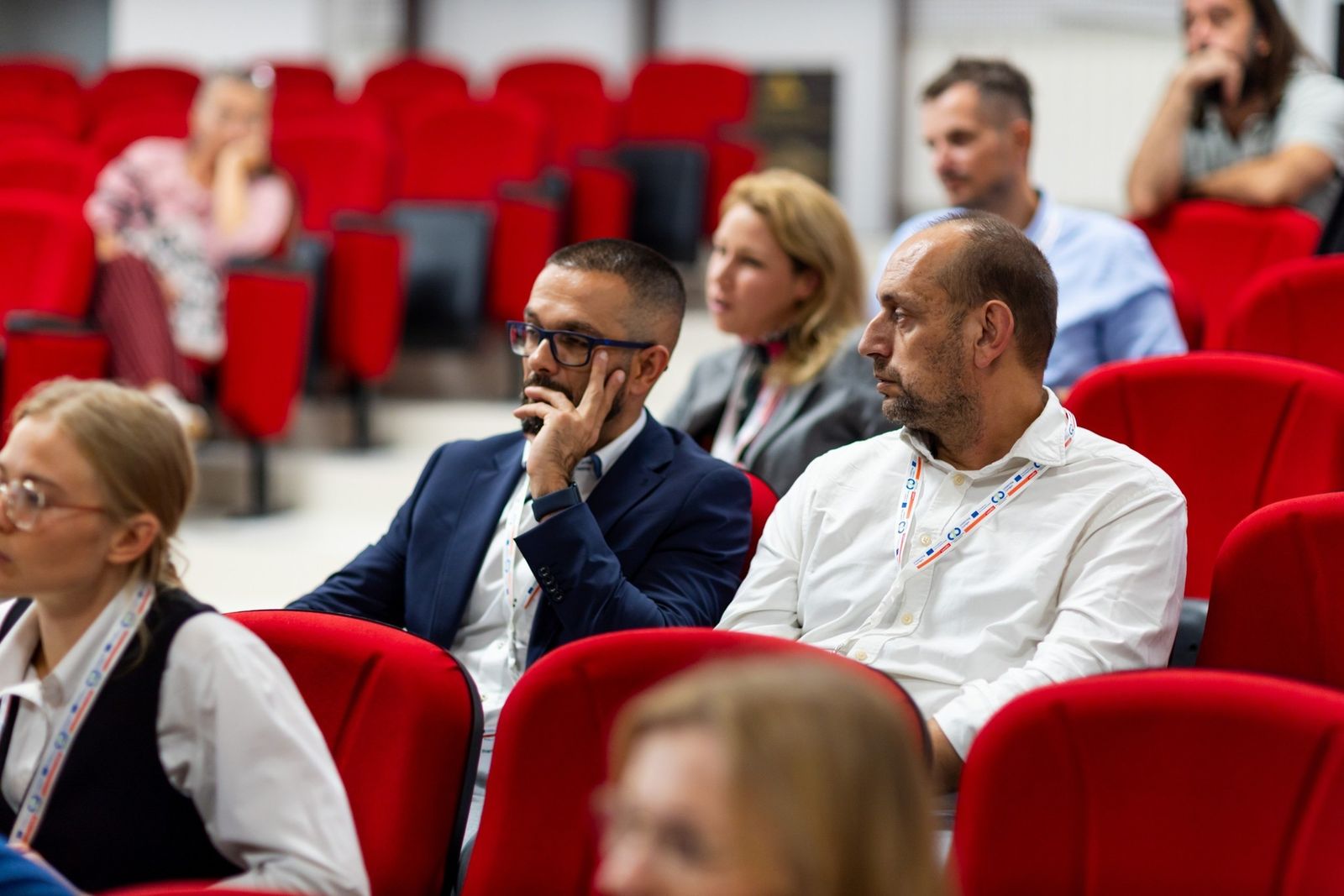
La primera jornada, el 6 de octubre en Budva, comenzó con la presentación del sistema educativo de Montenegro y de sus prioridades de reforma: currículos basados en competencias, desarrollo profesional docente, digitalización y una conexión más estrecha entre la Formación Profesional y el mercado laboral. Los debates abordaron cómo eliminar las barreras del alumnado que necesita apoyo adicional y cómo hacer de la inclusión parte de la práctica diaria de los centros.
Buenas prácticas de toda Europa
Los socios compartieron enfoques de distintos países europeos:
- Polonia: apoyo personalizado, actividades creativas y participación comunitaria para jóvenes en un centro educativo juvenil.
- Eslovenia: mediación intercultural para apoyar al alumnado de origen migrante y la comunicación con las familias.
- Croacia: un modelo de asistentes educativos y apoyo individualizado en todo el condado de Varaždin, miembro de la red EARLALL.
- Estonia: la Agencia Estonia de Calidad Educativa (HAKA) presentó la autoevaluación y la evaluación entre pares como vías para reforzar la inclusión y una cultura de mejora continua en la Formación Profesional.
- Dinamarca: diálogo, aprendizaje cooperativo y enfoques plurilingües para reforzar la participación y el sentido de pertenencia.
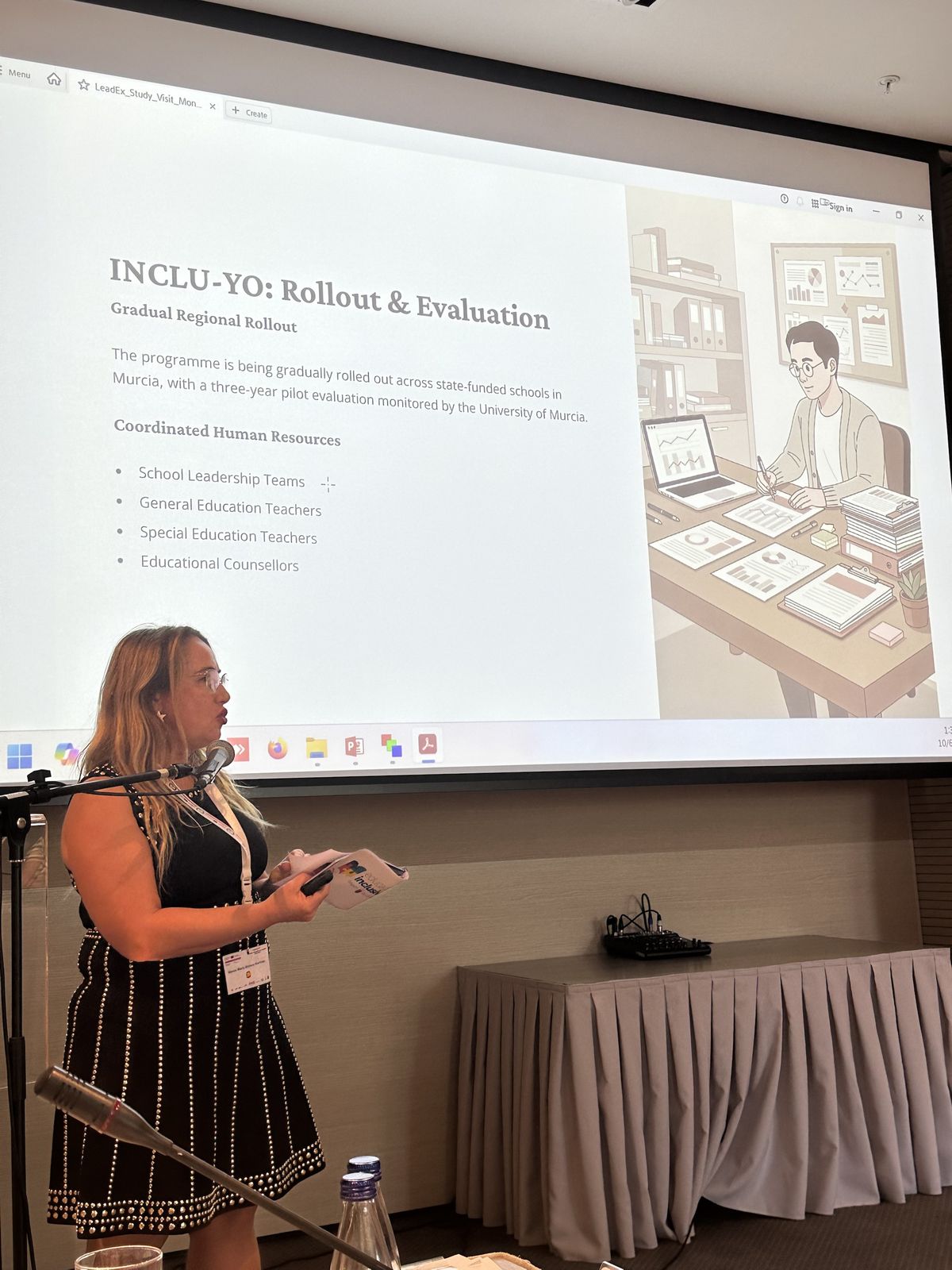
- España: la Región de Murcia presentó su modelo de educación inclusiva, basado en el programa INCLU-YO y en la red de CREI, centrado en identificar barreras y acompañar a centros y docentes en la creación de entornos de aprendizaje más inclusivos.
- Montenegro: el reconocimiento del aprendizaje extracurricular del alumnado universitario como parte de su experiencia académica.
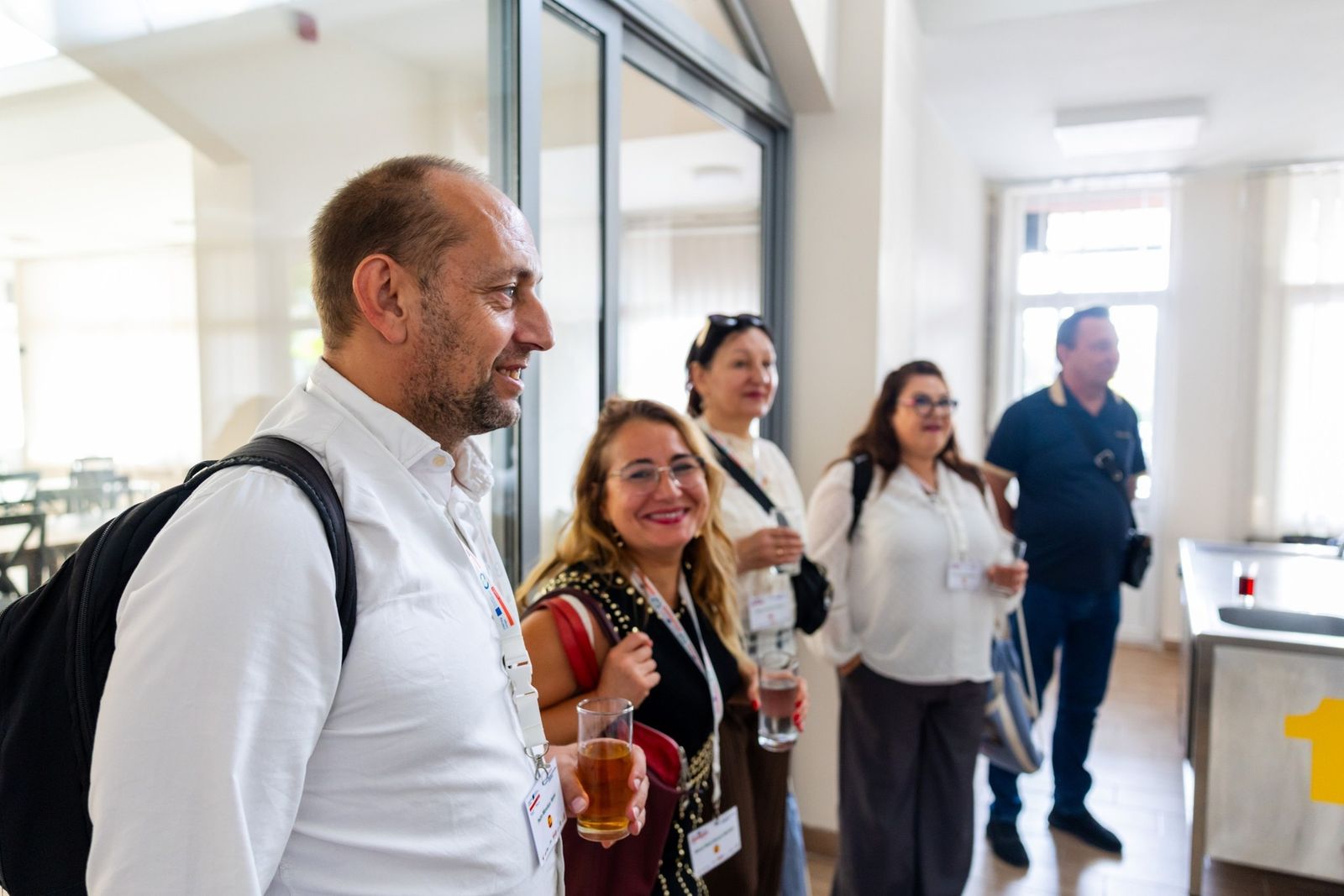
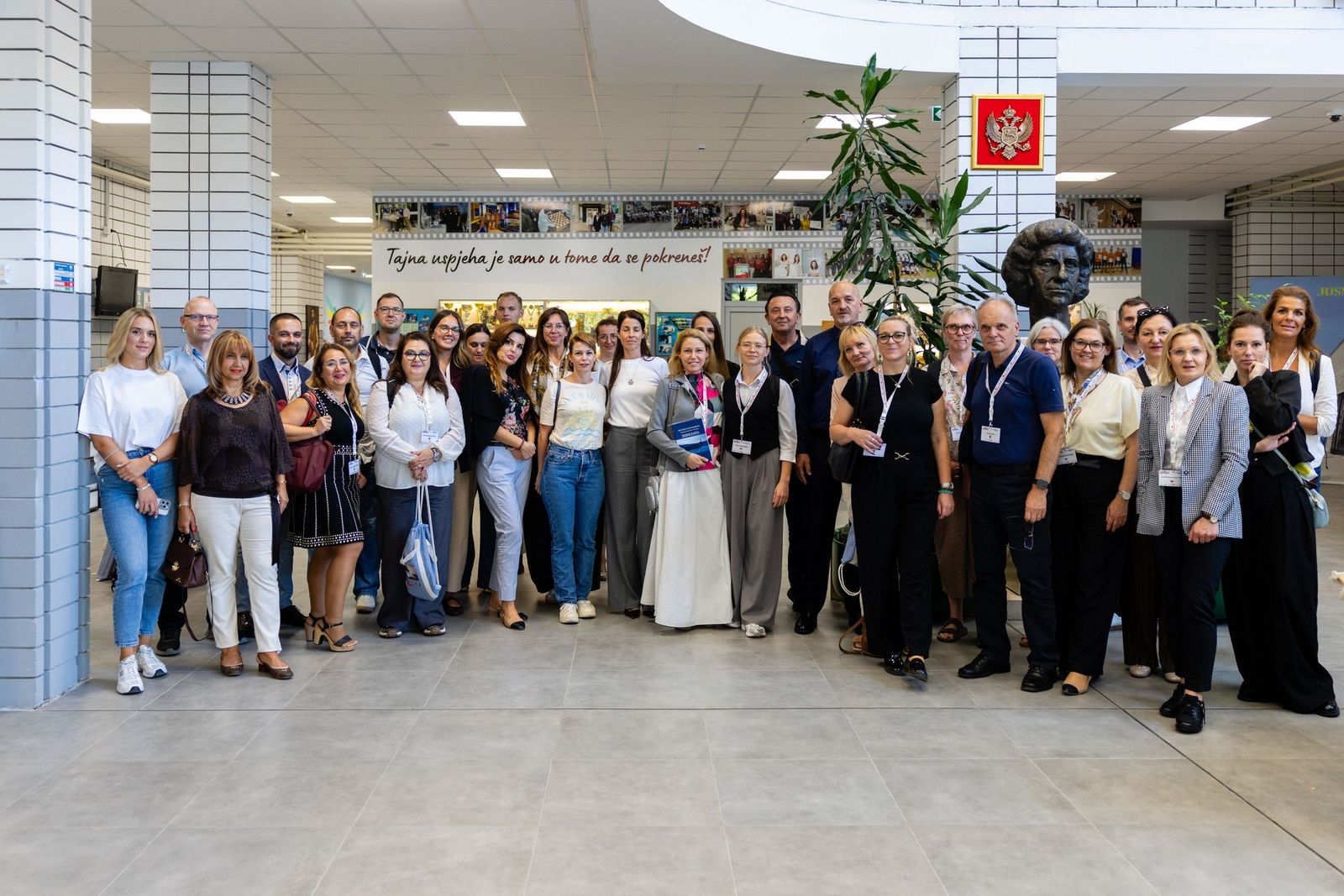
La jornada continuó en la Escuela Secundaria Danilo Kiš de Budva, donde los socios conocieron su oferta de Formación Profesional, sus instalaciones y las oportunidades de desarrollo profesional de su profesorado. El día se cerró con la reunión del Comité de Dirección del proyecto.
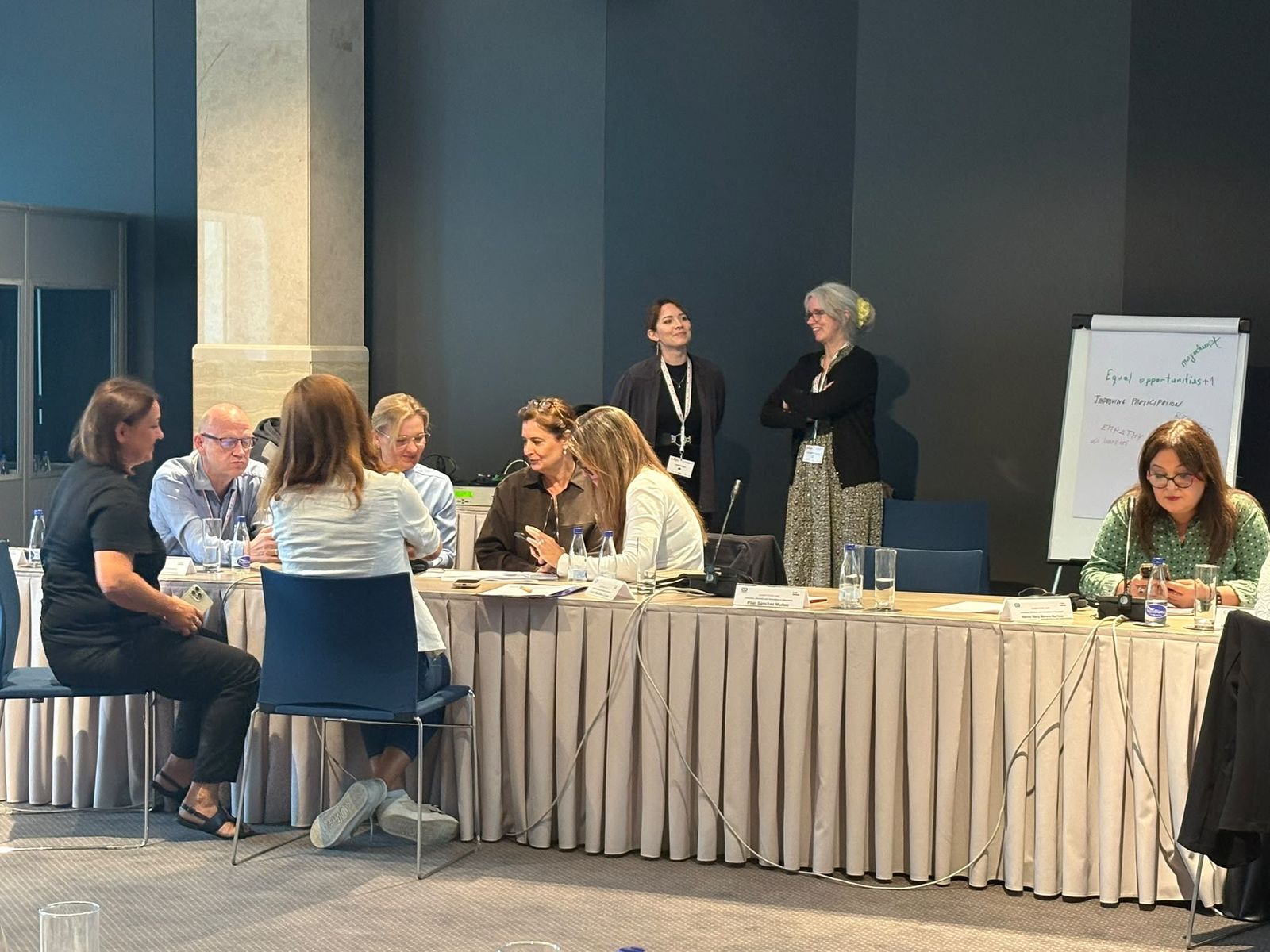
Fotos del 6 de octubre en Budva (9): deslice o use las flechas →


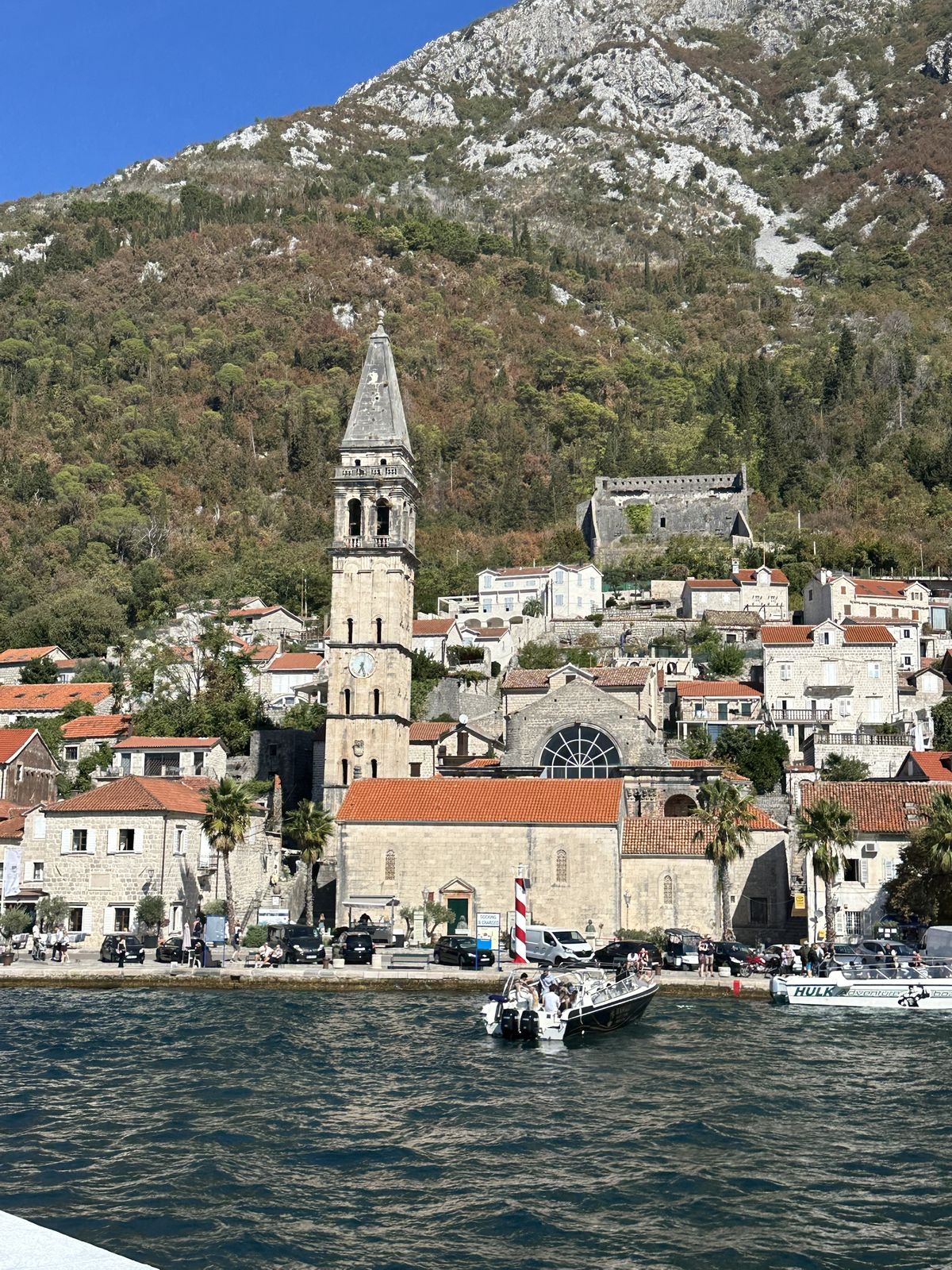
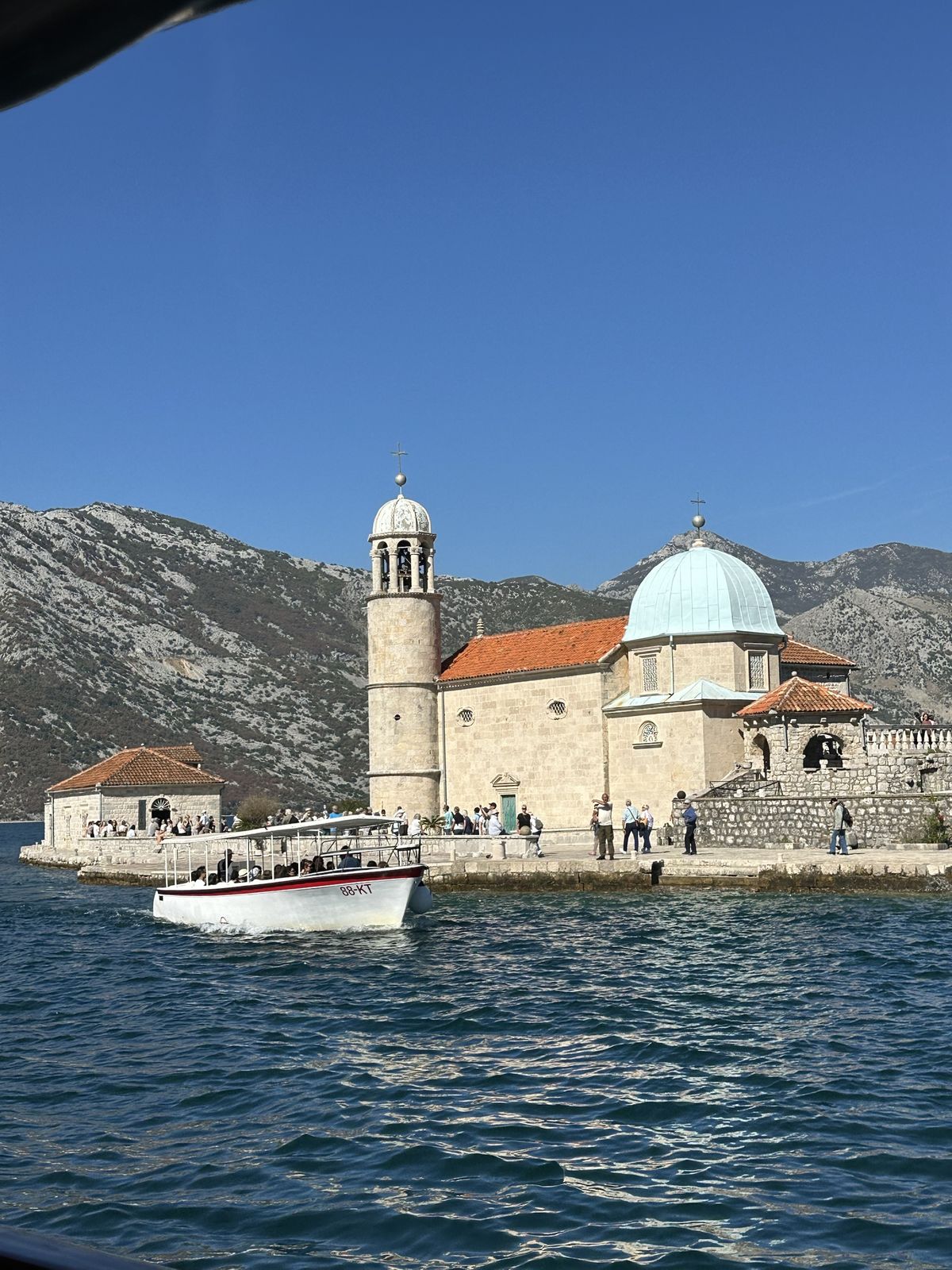
7 de octubre · Kotor: educación marítima y aprendizaje a lo largo de la vida
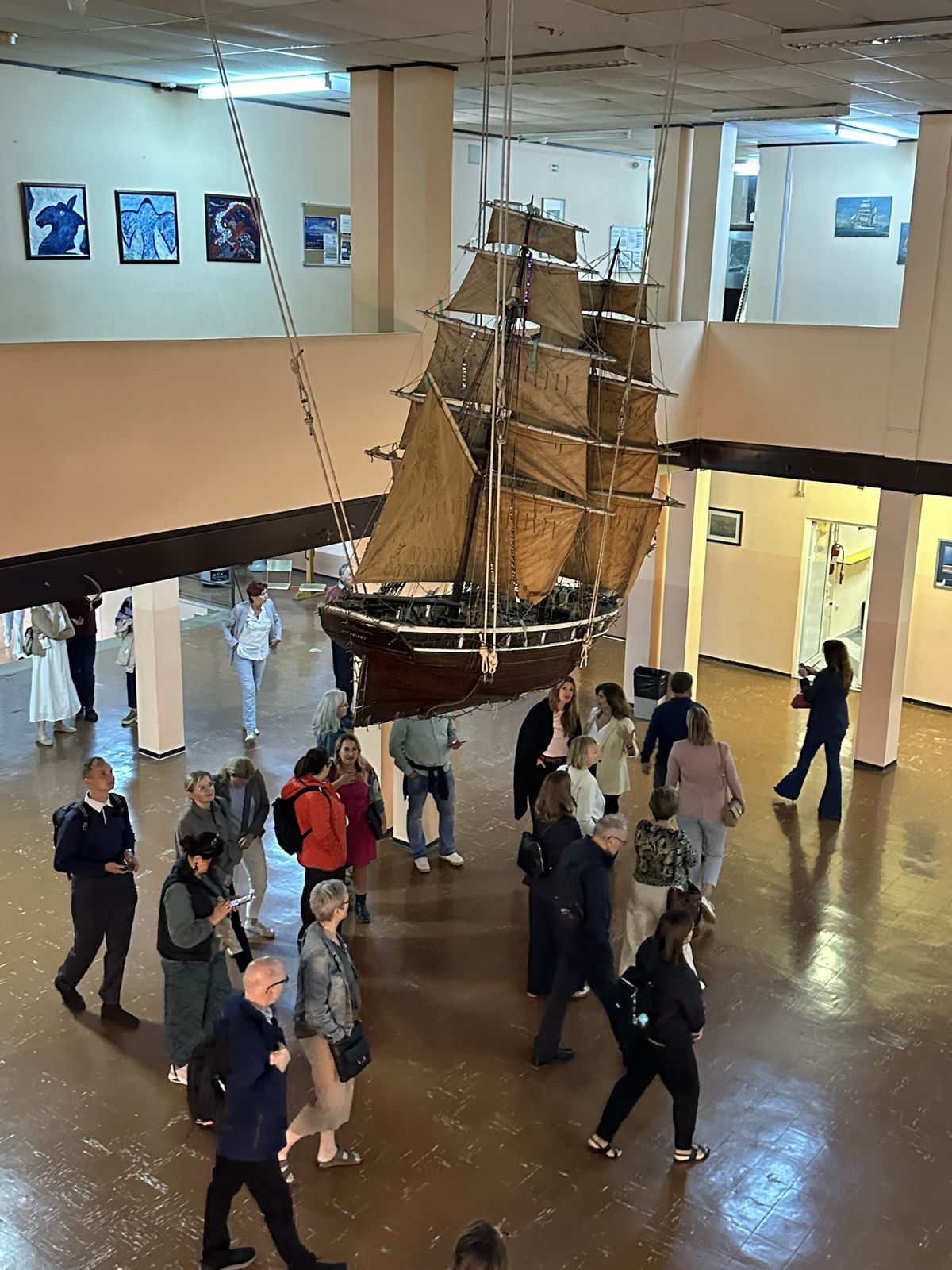
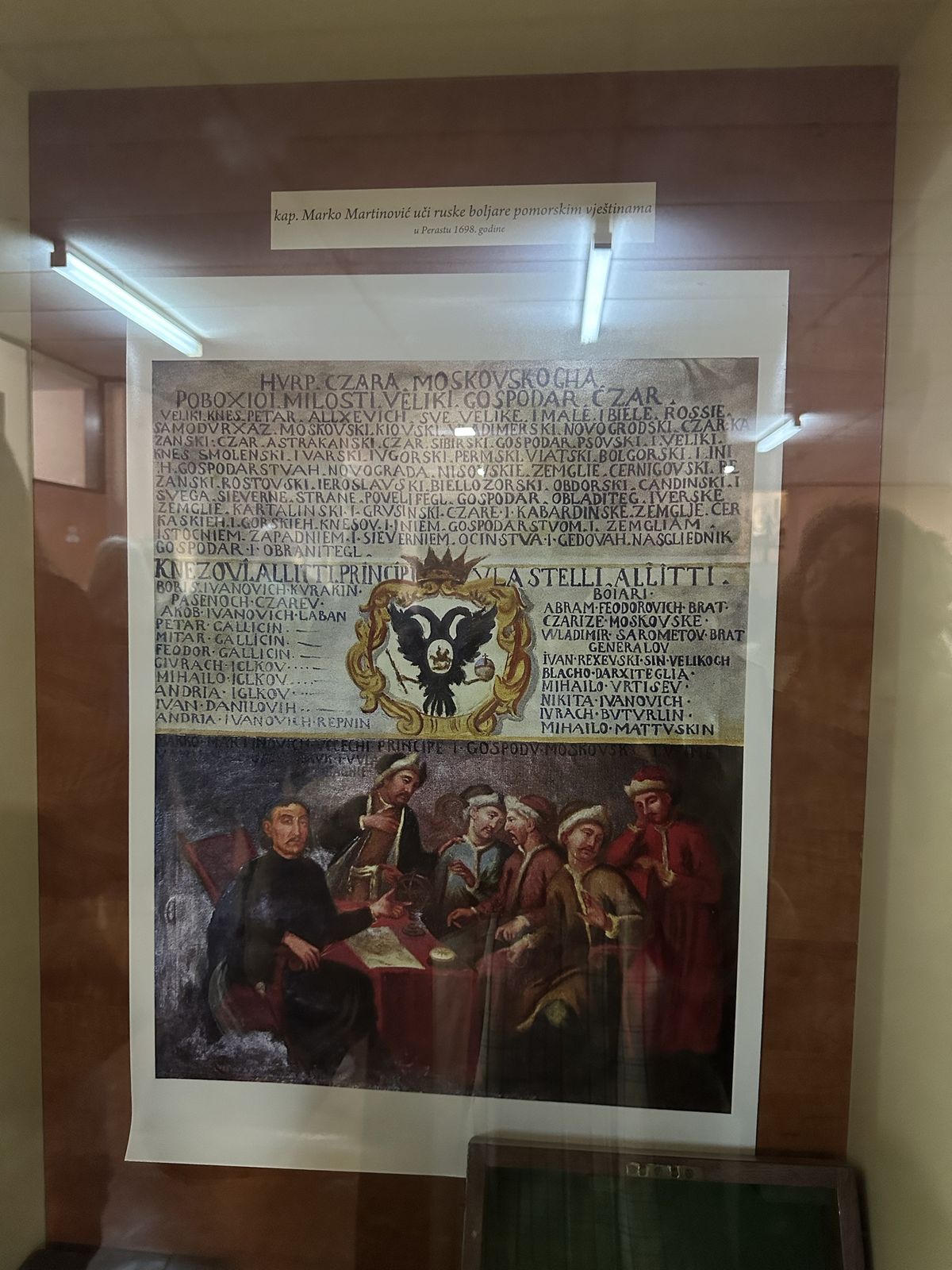
El 7 de octubre, la visita se trasladó a Kotor para conocer cómo responde la educación marítima a la evolución de las competencias profesionales. En la Escuela Secundaria Marítima de Kotor, el equipo directivo presentó sus programas de Formación Profesional en náutica, ingeniería marina y logística, y explicó cómo prepara a los jóvenes para las profesiones del mar y cómo el aseguramiento de la calidad respalda este trabajo.
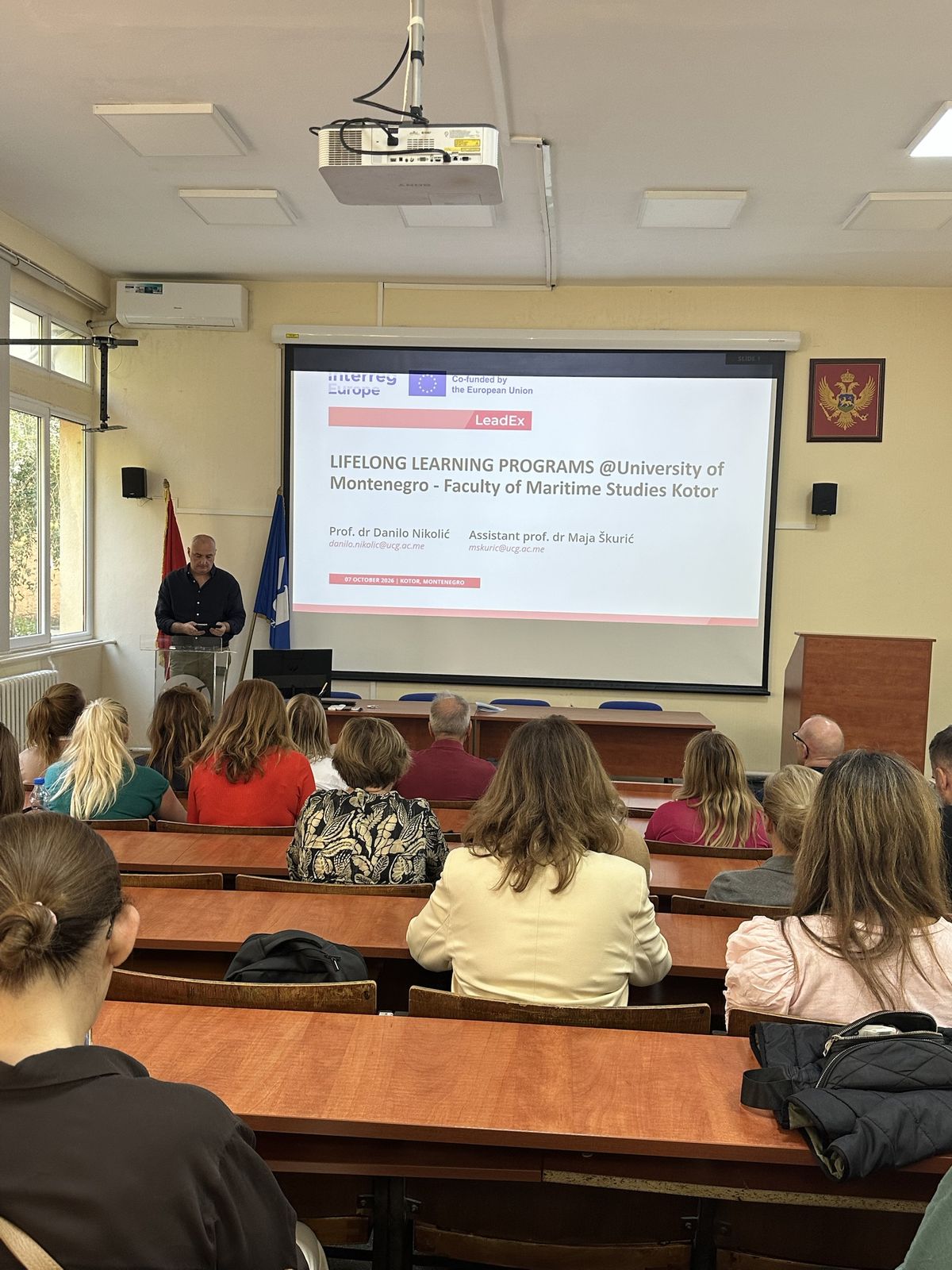
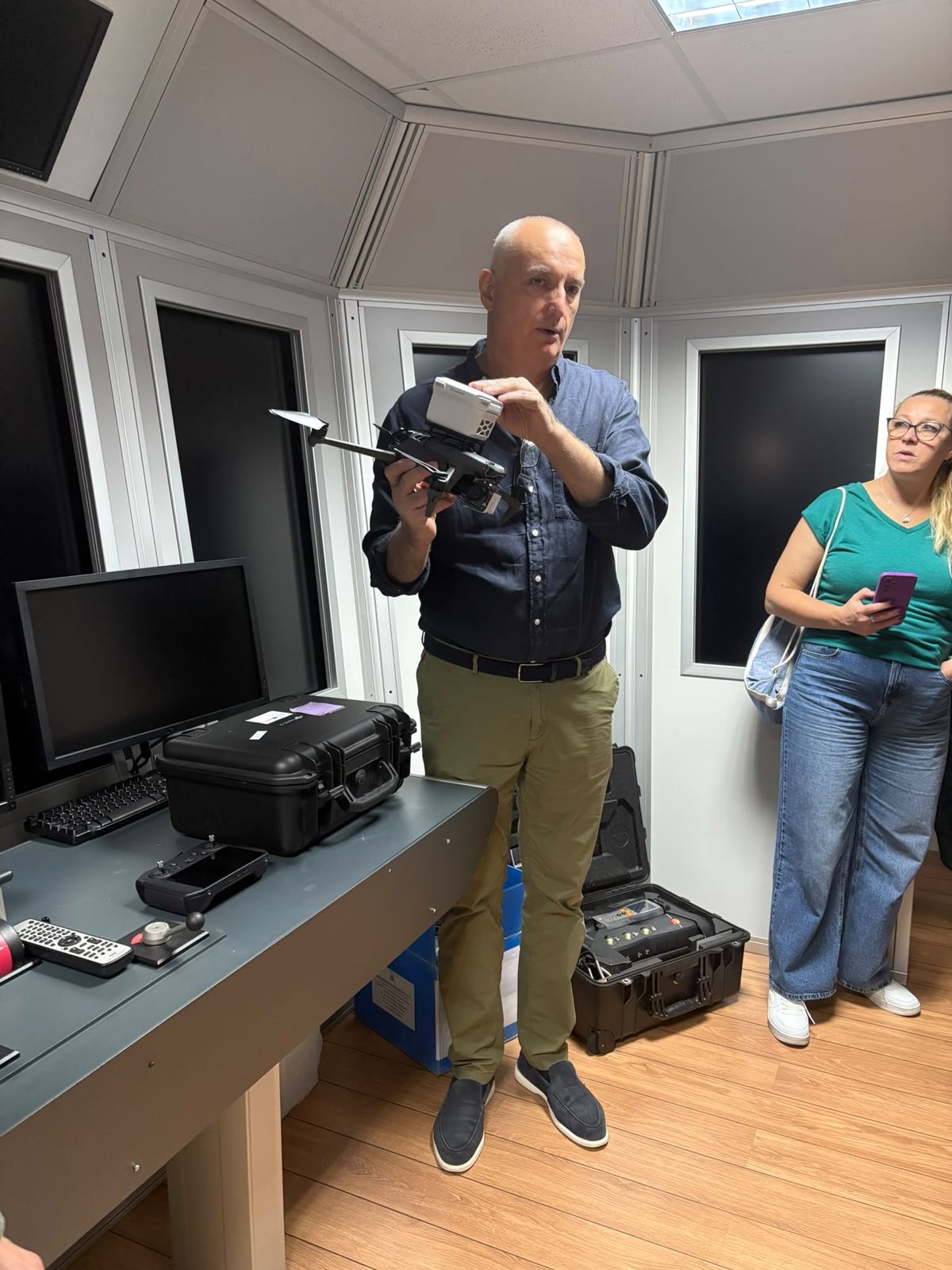
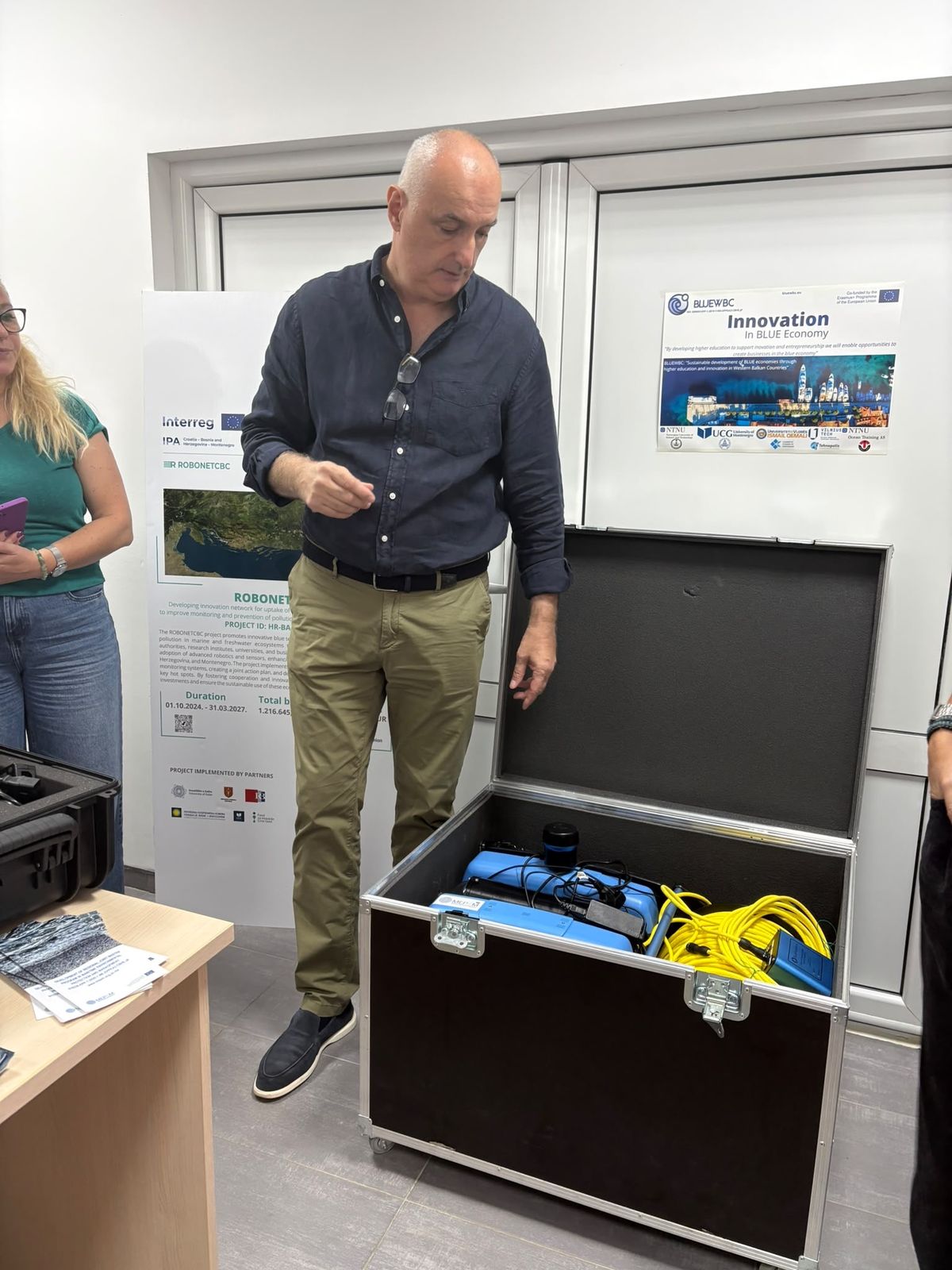
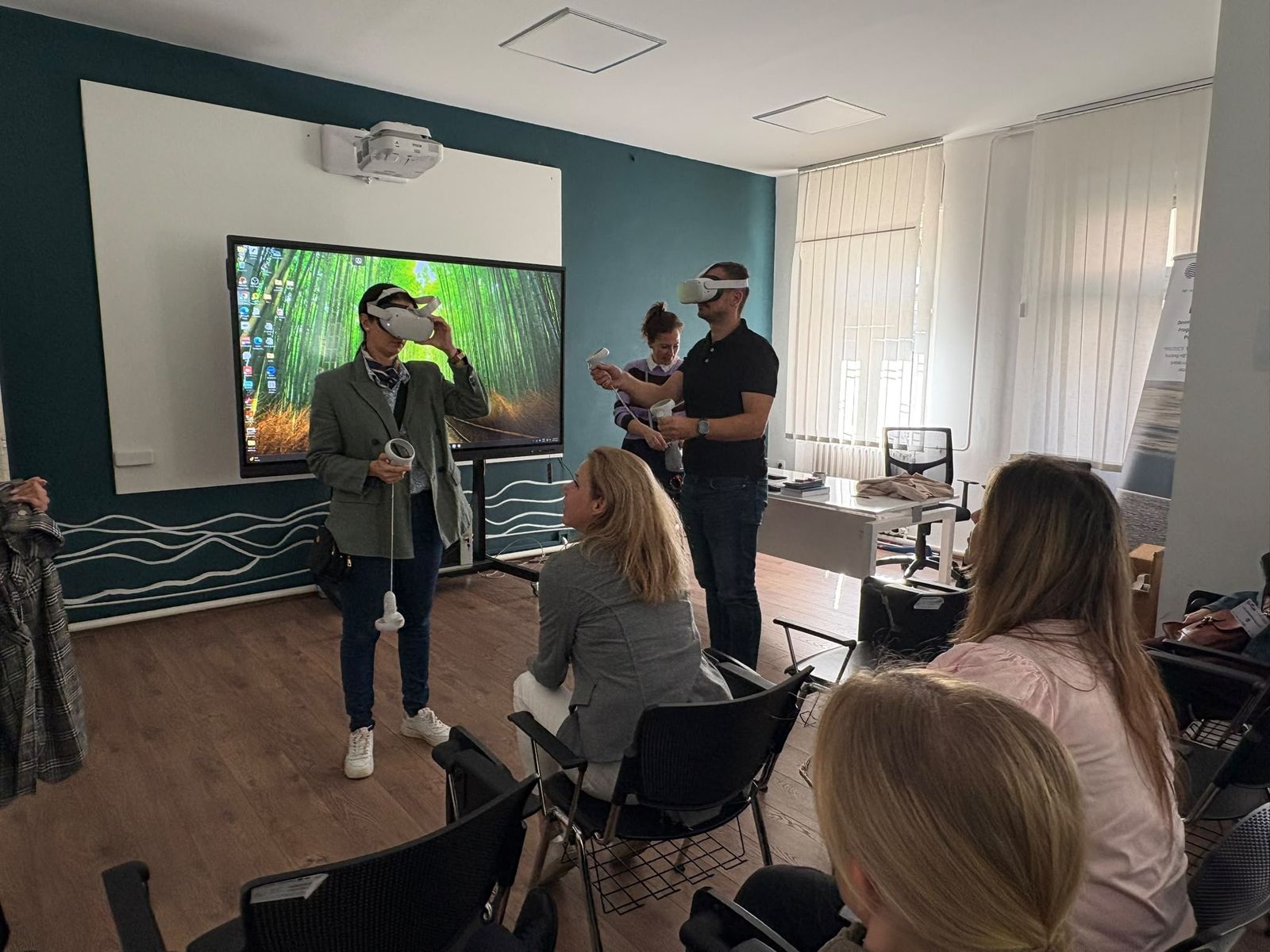
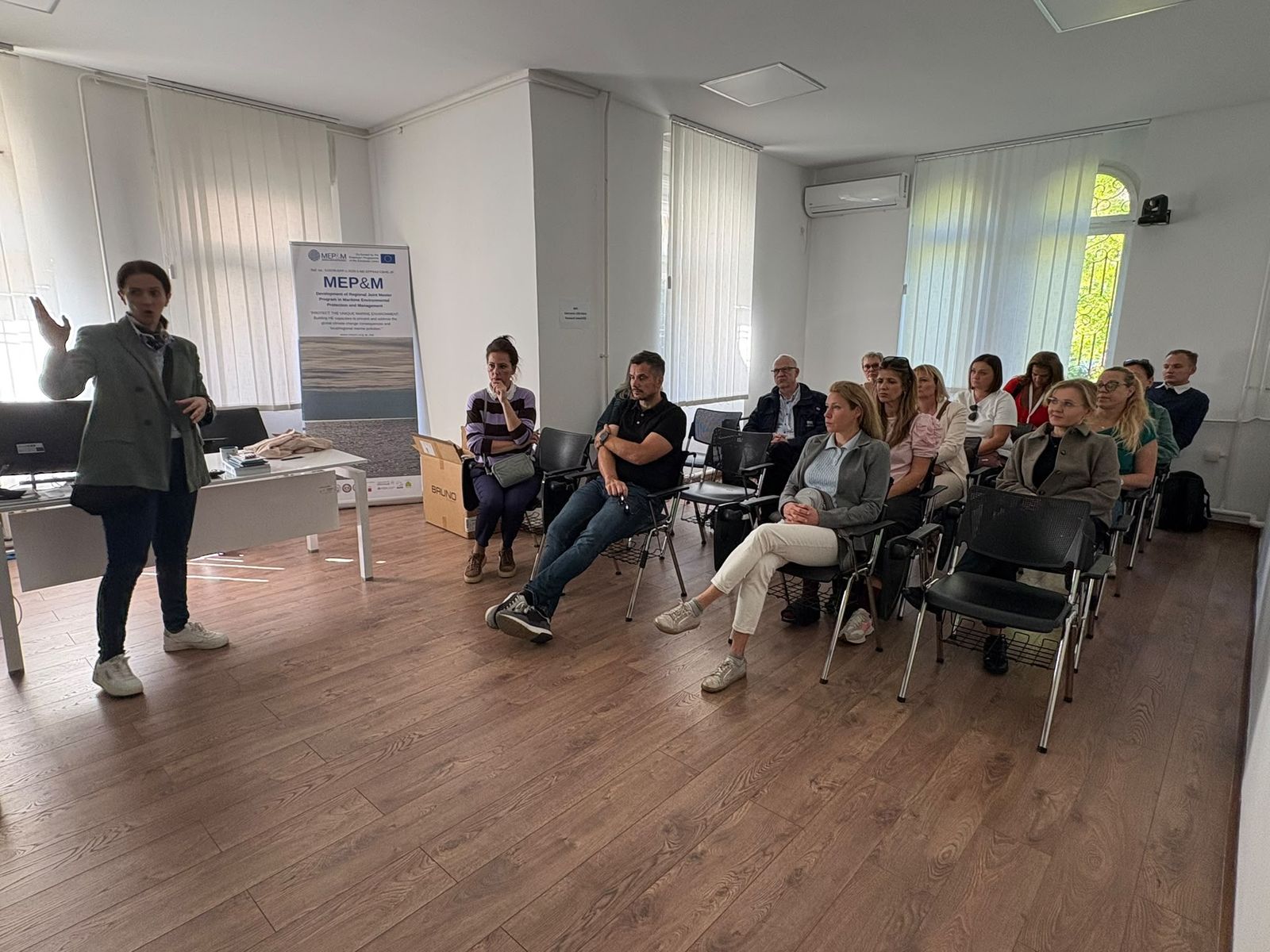
En la Facultad de Estudios Marítimos de Kotor (Universidad de Montenegro), el profesor Danilo Nikolić y la profesora adjunta Maja Škurić presentaron su oferta de aprendizaje permanente para que los profesionales del mar actualicen sus competencias, con programas sobre el desarrollo sostenible del sector de los yates y los cruceros, la operación energéticamente eficiente de los buques y los combustibles y sistemas de propulsión marinos alternativos. La cooperación europea fue un tema recurrente: Erasmus+ respalda el desarrollo de un máster conjunto regional en protección y gestión del medio marino (MEP&M). La visita al centro de innovación de la facultad permitió a los socios conocer la tecnología que emplea para el aprendizaje digital.
Para LeadEx, estas visitas plantearon una pregunta clave: ¿cómo pueden las políticas educativas regionales ayudar a los centros a responder a las necesidades cambiantes del mercado laboral sin dejar de ampliar las oportunidades del alumnado? De la Formación Profesional inicial al desarrollo profesional continuo, la jornada ofreció ejemplos concretos de cómo acompañar el aprendizaje durante toda la vida laboral.
Fotos del 7 de octubre en Kotor (24): deslice o use las flechas →











8 de octubre · Budva: educación digital, inclusión y apoyo al profesorado
La última jornada, el 8 de octubre en Budva, se dedicó a la educación digital, las prácticas inclusivas y el apoyo al profesorado. Mileva Lučić, docente de la Escuela Secundaria de Ingeniería Eléctrica «Vaso Aligrudić» de Podgorica, presentó el ecosistema de educación digital de Montenegro: plataformas de aprendizaje, recursos accesibles y apoyo profesional al profesorado.
La profesora Tatjana Novović, de la Facultad de Filosofía de la Universidad de Montenegro, ofreció dos ponencias: la primera, sobre educación inclusiva y desarrollo docente, incluido el proyecto CRED4TEACH y su enfoque de aprendizaje profesional flexible mediante microcredenciales; la segunda, sobre cómo pueden las universidades apoyar al alumnado con discapacidad y promover la igualdad de acceso a la Educación Superior.
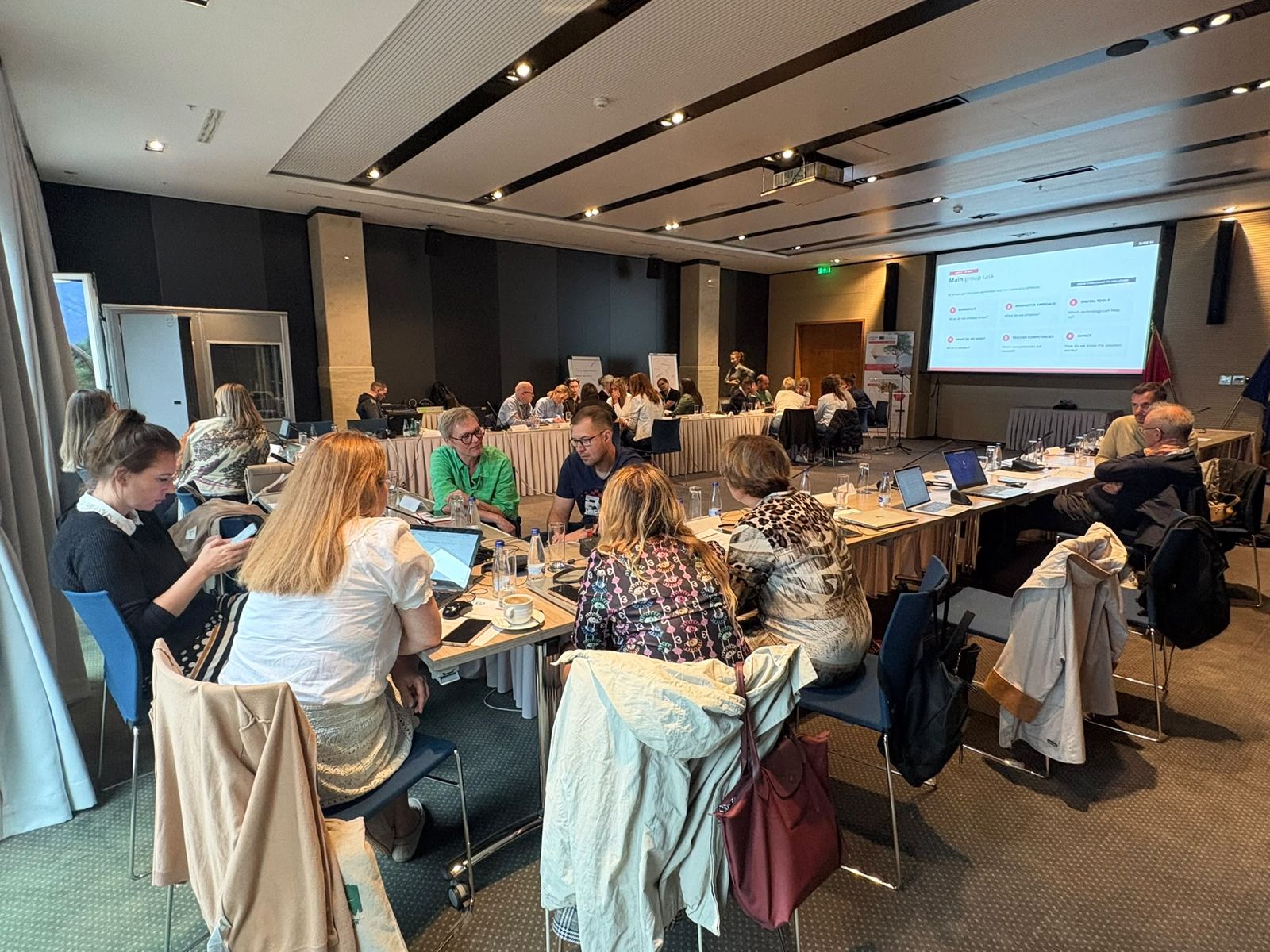
La jornada continuó con dos talleres. En el primero, sobre innovación, herramientas digitales y competencias docentes, dinamizado por Mileva Lučić, grupos internacionales diseñaron soluciones prácticas a retos educativos —qué tecnologías, recursos y competencias docentes harían falta— y se apoyaron en una actividad con inteligencia artificial para comunicar sus ideas mediante infografías. El segundo, basado en escenarios, analizó cómo pueden los centros eliminar barreras de aprendizaje, ampliar el acceso y ofrecer distintos itinerarios hacia objetivos de aprendizaje comunes. Los participantes destacaron la necesidad de apoyo especializado, formación del profesorado, tiempo suficiente de planificación, equipamiento accesible y financiación coordinada, junto con la cooperación entre centros, familias y administraciones públicas.
Para cerrar, EARLALL presentó SELFIE y SCAFFOLD, dos herramientas europeas que ayudan a los centros a reflexionar sobre sus prácticas digitales y al profesorado a planificar un aprendizaje basado en competencias. Los socios debatieron cómo dar más visibilidad a estos recursos e integrarlos mejor en la práctica local.
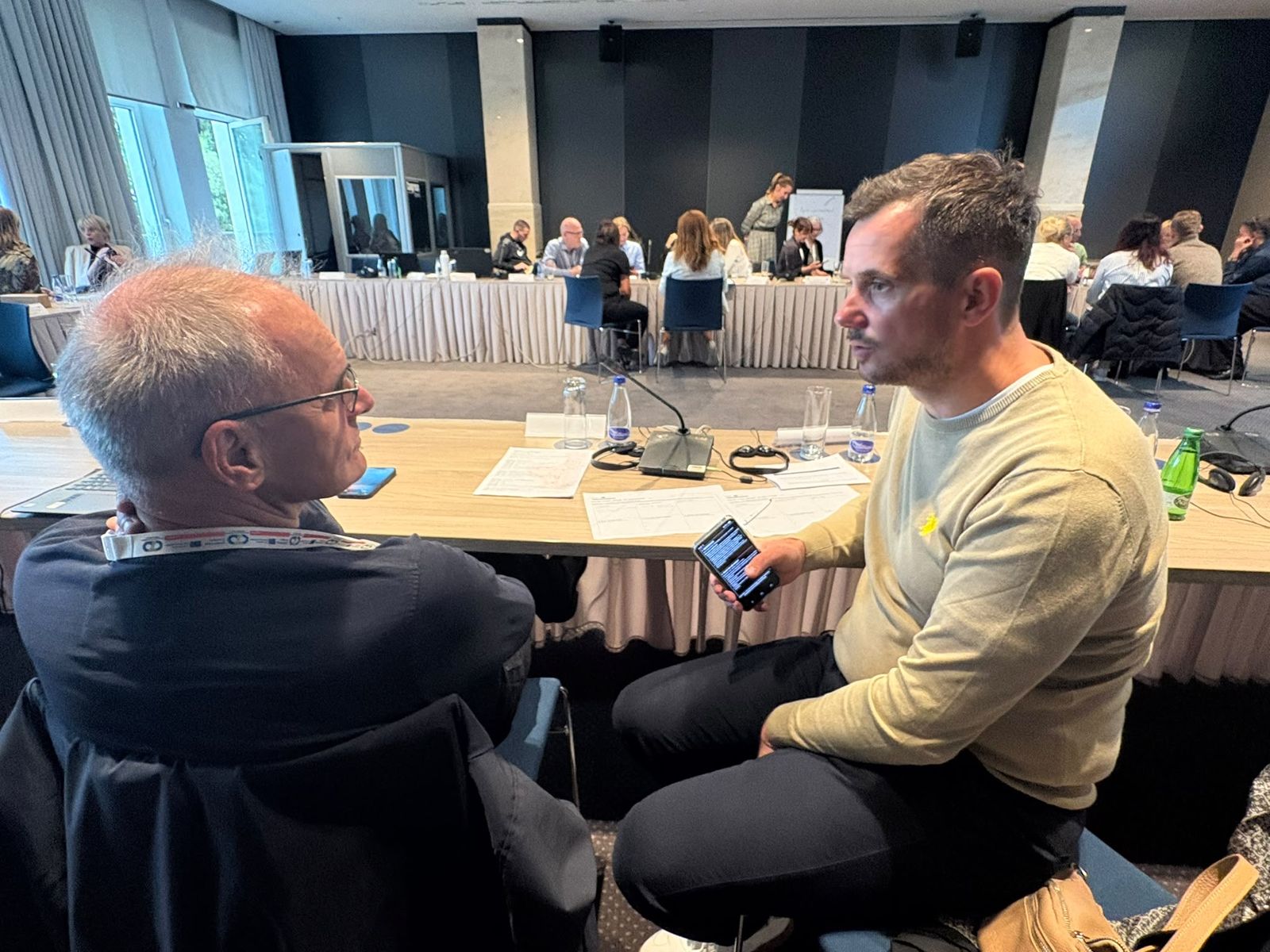
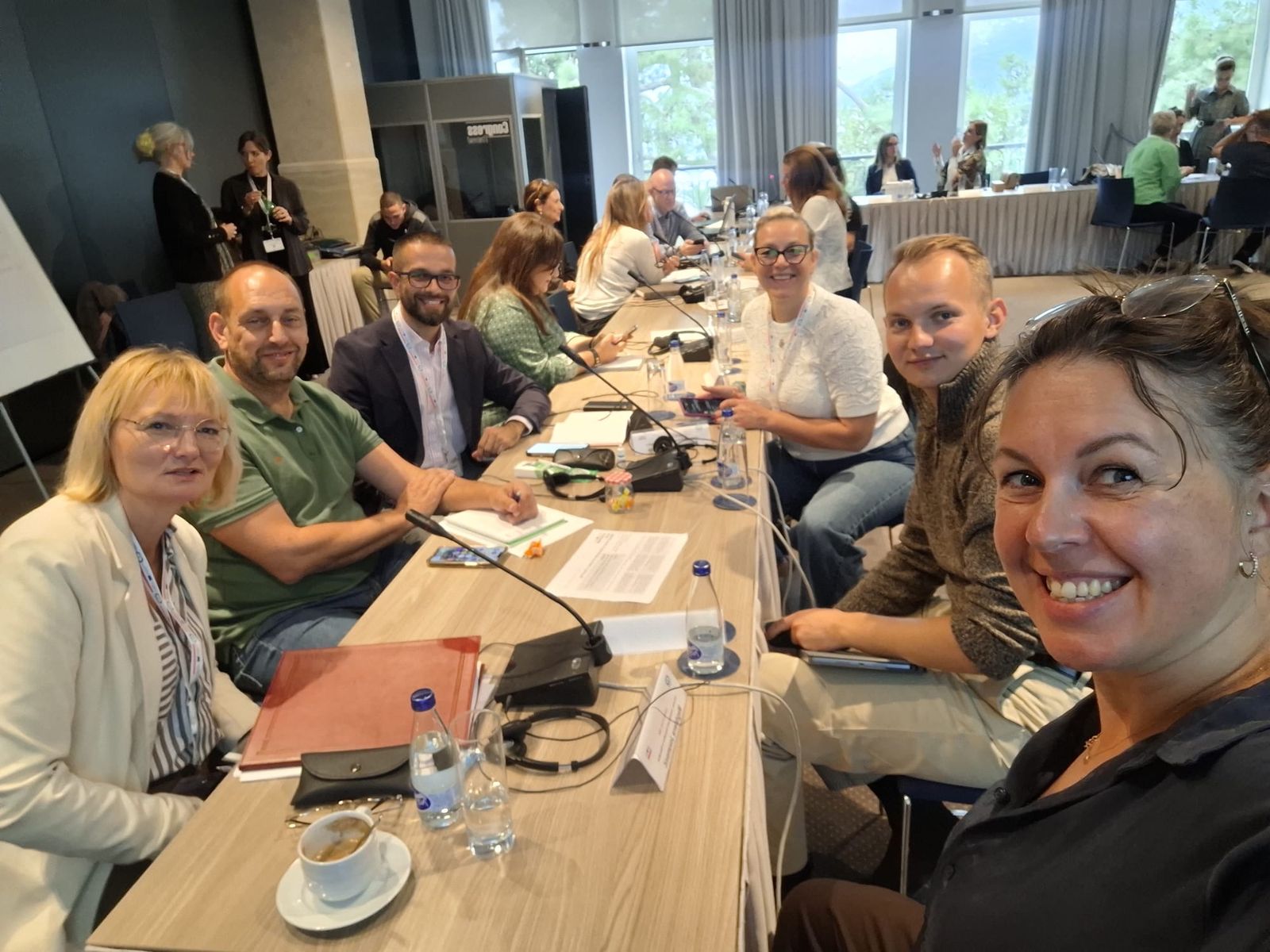
Fotos del 8 de octubre en Budva (17): deslice o use las flechas →





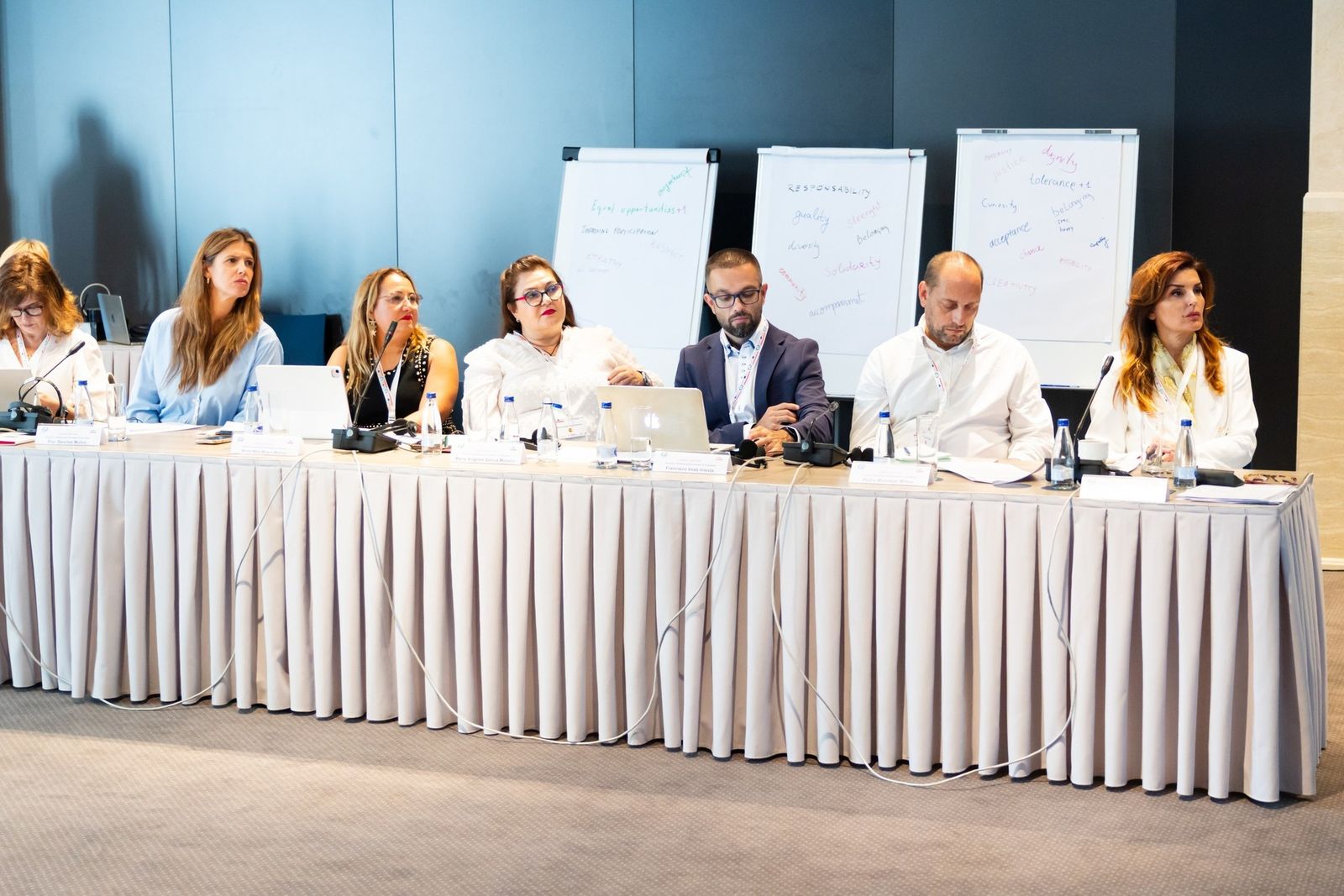

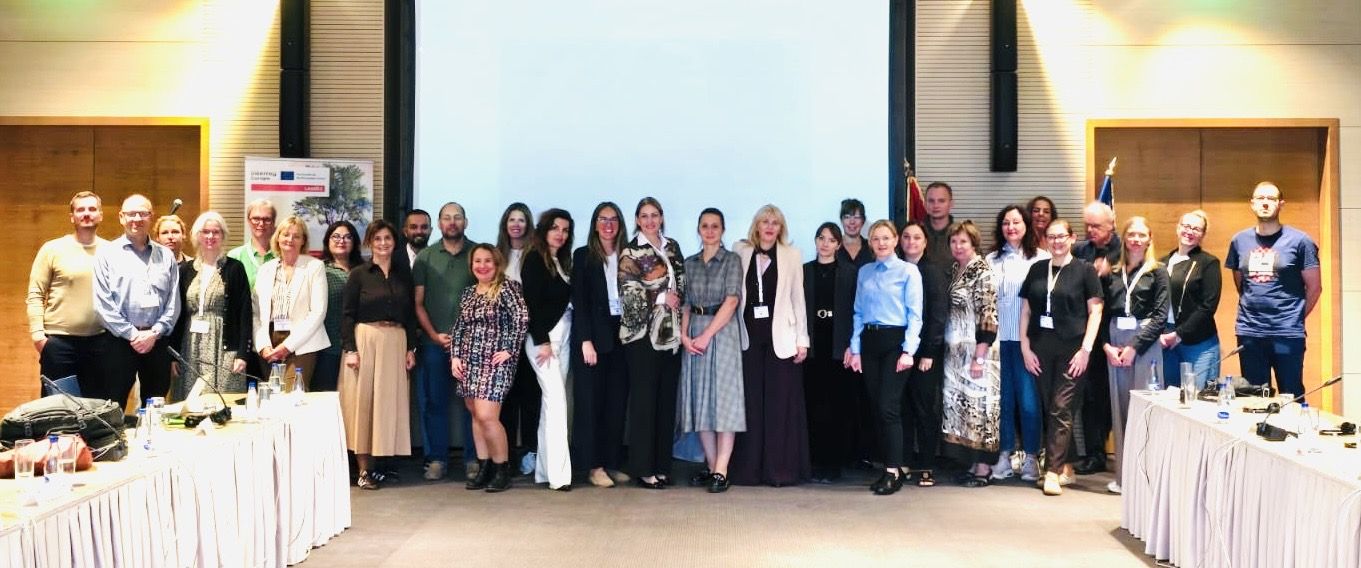
¿Qué nos llevamos a casa?
La conclusión compartida fue clara: la educación inclusiva exige un apoyo sostenido tanto al alumnado como al profesorado, con enfoques adaptados a las necesidades de cada territorio. Para la Región de Murcia, como socio líder, la visita ha sido una nueva ocasión de contrastar su modelo de educación inclusiva con el de otras regiones europeas.
El proyecto agradece al Centro de Formación Profesional de Montenegro, anfitrión de la visita, y a todos los socios estos tres días de intercambio y aprendizaje.
Crónica elaborada a partir de las publicaciones del proyecto LeadEx en LinkedIn, difundidas por EARLALL, socio responsable de la comunicación del proyecto.
Latest: chronicle of the Study Visit to Montenegro (6–8 October 2026) ↓
LeadEx Study Visit to Estonia: Region of Murcia Advances Preparatory Work
The Lead Partner holds a coordination meeting to organise the first Study Visit scheduled for March 2026.
On Monday, 26 January 2026, the Region of Murcia, as Lead Partner of the LeadEx project, held a coordination meeting to advance the internal preparation of the project’s first Study Visit, which will take place in Estonia from 9 to 11 March 2026. The meeting brought together members of the Regional Ministry of Education and Vocational Training involved in the project’s coordination and implementation.
The session focused on organising the preparatory work required to ensure a coherent and effective study visit, which will be dedicated to the analysis and exchange of good practices in Continuous Professional Development (CPD). Key aspects addressed during the meeting included the definition of learning objectives, the structure of the visit, and the alignment of messages and materials to be shared with partner regions and Estonian stakeholders.
As part of its role as Lead Partner, the Region of Murcia reviewed the coordination framework for the coming weeks, including internal task allocation, timelines, and the preparation of common guidelines and templates. These elements will support partner regions in contributing relevant inputs and ensure consistency throughout the study visit activities.
The meeting also served to assess the progress of the second semester of the project, which focuses on identifying and analysing good practices in teacher professional development. Particular emphasis was placed on the need to systematise evidence and lessons learned in order to maximise the impact of the study visit and subsequent policy learning phases.
This internal coordination meeting represents an important step in reinforcing the leadership role of the Region of Murcia within the LeadEx project. By strengthening internal alignment and planning, the Lead Partner continues to lay the groundwork for a meaningful and well-structured first Study Visit, supporting effective interregional learning and policy exchange at European level.
LeadEx Study Visit to Estonia Hosts Interregional Seminar on Teacher Professional Development
A delegation from the Region of Murcia, headed by the Secretary General of the Regional Ministry of Education and Vocational Training, takes part in a three-day programme of institutional exchanges, an interregional seminar and study visits in Tallinn.
From 9 to 11 March 2026, Tallinn hosted the first Study Visit of the LeadEx project, bringing together representatives from partner regions and European organisations to explore the Estonian education system and exchange experiences on continuous professional development (CPD) for teachers. The visit formed part of the policy learning activities foreseen within the project and offered participants the opportunity to gain first-hand insight into the policies and practices that have positioned Estonia as one of Europe’s most innovative education systems.
The Region of Murcia, acting as Lead Partner of the LeadEx project, participated in the visit with a delegation from the Regional Ministry of Education and Vocational Training headed by the Secretary General, reinforcing the region’s leadership role in coordinating the project and promoting interregional cooperation in education policy.
Swipe or use the arrows to see all the photos →
Exploring the Estonian education system
The programme began on 9 March at Kultuurikatel, with the official opening led by representatives of the Estonian Education Quality Agency (HAKA). The first sessions provided participants with an overview of the Estonian education system—its development, current structure and future challenges. Experts from the Estonian education authorities presented the main features of the system and engaged in discussion with project partners on the key factors behind Estonia’s strong educational performance.
During the morning sessions, participants also reviewed the Joint Regional Educational Diagnosis Report, which analyses the current situation of teacher professional development across the participating regions. The discussion focused on identifying opportunities to improve policy instruments and strengthen cooperation between partner regions.
The afternoon included a Steering Committee meeting, chaired by the Region of Murcia in its role as Lead Partner. During the meeting, partners reviewed the progress of the project, discussed the next stages of implementation and coordinated upcoming activities. The day concluded with a guided visit to Tallinn’s historic old town, offering an opportunity for informal exchanges among participants.
Interregional seminar on teacher professional development
The second day of the visit was dedicated to an interregional seminar held at Tallinn University, focusing on teacher professional development and collaboration between education institutions.
Representatives from the Estonian Ministry of Education and Research presented an overview of national policies supporting teacher professional development, highlighting Estonia’s approach to lifelong learning for teachers and the importance of professional learning communities. Experts from Tallinn University also shared their experience in fostering collaboration between universities, schools and teachers in order to promote educational innovation and improve teaching practices.
The seminar included country presentations from several partner regions, including Spain, Denmark, Poland and Slovenia, allowing participants to present their own systems and exchange perspectives on common challenges in supporting teachers throughout their professional careers. The session concluded with workshops and a round-table discussion on how the lessons learned from Estonia could be adapted and transferred to the different regional contexts represented in the project.
Institutional visits and digital education initiatives
On 11 March, the programme continued with a series of institutional visits to key organisations within the Estonian education ecosystem. Project partners were divided into groups in order to gain a more detailed understanding of the institutions involved in educational policy, school development and quality assurance.
The group including the Spanish delegation visited the Estonian Ministry of Education and Research, where discussions focused on educational leadership, teacher policies and the governance of the national education system. Participants then travelled to the Tallinn School of Service (TEKO), a vocational education and training institution, where they learned about Estonia’s approach to vocational education and the mechanisms used to ensure quality and relevance in training programmes.
The study visit concluded with a joint session on digital education initiatives organised by the Estonian Education and Youth Board (HARNO). During this session, participants explored Estonia’s strategies for integrating digital technologies into education and supporting schools and teachers in the development of digital competences.
Strengthening European cooperation in education policy
The study visit represented an important opportunity for policy learning, dialogue and collaboration among the LeadEx partners. Through presentations, institutional meetings and exchanges with Estonian experts, participants gained valuable insights into policies and practices that may inspire improvements in their own education systems.
For the Region of Murcia, the visit marks a significant milestone in the implementation of the LeadEx project, reinforcing its role as Lead Partner and contributing to the development of innovative approaches to teacher professional development and educational leadership across Europe.
LeadEx Coordination Meeting: Region of Murcia Sets the Roadmap for the Project’s Third Semester
The Lead Partner reviews progress achieved so far and establishes priorities for upcoming activities, with the Study Visit to Montenegro scheduled for October 2026 as a key milestone.
On Monday, 25 May 2026, the Regional Ministry of Education and Vocational Training of the Region of Murcia, acting as Lead Partner of the LeadEx project, held a coordination meeting aimed at defining the next phase of work and preparing the activities to be implemented during the project’s third semester. The meeting served as an opportunity not only to establish future priorities, but also to assess the progress achieved during previous stages of implementation and reinforce the project’s strategic direction.
The session brought together the key regional representatives involved in the project’s leadership and implementation, including Carmen María Zamora Párraga, Secretary General of the Regional Ministry of Education and Vocational Training; María del Carmen Balsas Ramón, Director General of Human Resources, Educational Planning and Innovation; and Pedro Mondéjar Mateo, Director General of Attention to Diversity. Their participation reflected the institutional commitment of the Region of Murcia to the project and its objectives at both regional and European level.
Discussions focused on establishing the roadmap for the coming months and defining the actions that will guide implementation during the third semester. Particular attention was given to the upcoming Study Visit to Montenegro, scheduled to take place from 6 to 8 October 2026, which represents one of the major milestones of the project’s next phase. Preparatory work related to the visit, expected learning outcomes and partner coordination mechanisms were among the issues addressed during the meeting.
Alongside future planning, the session also provided an opportunity to review and consolidate the work carried out during previous semesters. Participants conducted a comprehensive assessment of progress achieved so far, examining the activities developed and reflecting on the lessons learned through the project implementation process. This review aimed to ensure continuity between previous achievements and future actions, while strengthening a common understanding among all stakeholders involved.
Special emphasis was placed on the identification and analysis of the good practice selected under the thematic area of Inclusion, Diversity and Excellence (IDE). Discussions explored the relevance of this practice within the broader objectives of the project, as well as its potential contribution to interregional learning and policy development processes. The exchange highlighted the importance of gathering evidence, documenting experiences and strengthening the transferability of innovative educational approaches among partner regions.
As Lead Partner, the Region of Murcia also reviewed the coordination framework for the upcoming period, including timelines, responsibilities and the alignment of project activities among participating regions. The meeting reinforced the importance of maintaining a structured and collaborative approach to ensure coherence across all project actions.
This coordination meeting represents another significant step in consolidating the leadership role of the Region of Murcia within the LeadEx project. By reviewing previous achievements while simultaneously setting the foundations for future activities, the Lead Partner continues to strengthen the conditions for effective cooperation, policy learning and the promotion of inclusive and excellent educational systems across Europe.
LeadEx Study Visit to Montenegro: Region of Murcia Finalises Preparations
The Lead Partner holds a coordination meeting to prepare its delegation for the Study Visit on Inclusion, Diversity and Excellence in Education, to be held in Budva and Kotor from 6 to 8 October 2026.
On Wednesday, 16 September 2026, the Regional Ministry of Education and Vocational Training of the Region of Murcia, acting as Lead Partner of the LeadEx project, held a coordination meeting to prepare the regional delegation’s participation in the project’s next Study Visit, which will take place in Budva and Kotor (Montenegro) from 6 to 8 October 2026. Hosted by the Centre for Vocational Education of Montenegro, the visit will focus on Inclusion, Diversity and Excellence (IDE) in education.
The meeting was built around an information dossier and a presentation prepared specifically for the delegation. The Region of Murcia will be represented by a delegation headed by Carmen María Zamora Párraga, Secretary General of the Regional Ministry of Education and Vocational Training, together with Pedro Mondéjar Mateo, Director General of Attention to Diversity, technical staff from the Regional Ministry and a representative of Plena Inclusión Región de Murcia.
Swipe or use the arrows to see all the photos →
The good practice the Region of Murcia will present
A central item on the agenda was the good practice that the Region of Murcia will share during the partners’ session on 6 October: its model of inclusive education, built on the INCLU-YO programme and the CREI network. The model reflects a shift in paradigm, moving away from a deficit-based approach towards the personalisation of learning and the full inclusion of all students.
INCLU-YO, in place since 2024, supports schools through the analysis of each school and classroom, inclusive school organisation and support sub-networks. Through the CREI, special education schools act as resource centres that advise mainstream schools, using in-classroom modelling as their core methodology. The results for the 2025–2026 school year illustrate the scale of this work:
Since English will be the working language throughout the visit, the delegation also reviewed the preparation of the presentation materials in English and the time allocated to the intervention.
A three-day programme in Budva and Kotor
Participants reviewed the final programme provided by the host organisation, which combines policy dialogue, exchanges between partners and institutional visits:
- Tuesday 6 October · Budva. Presentation of the Montenegrin education system — its past, present and future —, good practices from all partner countries, a visit to the “Danilo Kiš” Vocational Education Centre and the LeadEx Steering Committee meeting.
- Wednesday 7 October · Kotor and Budva. Institutional visits to the Faculty of Maritime Studies and the Maritime Institute in Kotor, focused on lifelong learning, the links between education and the labour market, and inclusion and access in higher and vocational education, followed by local good practices at the Knowledge Academy.
- Thursday 8 October · Budva. Sessions on digital education initiatives and on quality assurance and inclusive education, parallel workshops on inclusive policies and leadership and on innovation, digital tools and teacher competences, a presentation of the European tools SELFIE and SCAFFOLD, and a closing plenary: “What do we take home?”
Coordination and practical arrangements
The meeting also addressed the organisational aspects of the visit, including travel arrangements, accommodation, group transport between venues and the practical recommendations shared with all members of the delegation, such as travel insurance, mobile connectivity, working language and punctuality at the meeting points.
This coordination meeting marks the final stage of preparation for the next Study Visit of the LeadEx project. With a shared programme, clear roles and a good practice ready to be presented, the Region of Murcia reinforces its leadership as Lead Partner and its commitment to interregional learning on inclusive and excellent education systems. As the screen in the meeting room put it in three languages: “Montenegro, there we go!”
LeadEx Study Visit to Montenegro: Inclusion, Diversity and Excellence in Education
Three days of interregional seminar, school visits and workshops in Budva and Kotor, hosted by the Centre for Vocational Education of Montenegro.
From 6 to 8 October 2026, Budva and Kotor hosted the second Study Visit of the LeadEx project, organised by the Centre for Vocational Education of Montenegro (JU Centar za stručno obrazovanje). Framed as the 2nd Interregional Educational Seminar on inclusion, diversity and excellence, the visit brought partners together around a shared question: how can education respond to the needs of every learner?
The Region of Murcia, Lead Partner of the project, took part with a delegation from the Regional Ministry of Education and Vocational Training and presented its good practice on inclusive education to the partner regions.
6 October · Budva: an education system in transformation
The first day, 6 October in Budva, opened with an introduction to Montenegro’s education system and its reform priorities: competence-based curricula, teachers’ professional development, digitalisation and stronger links between vocational education and the labour market. Discussions explored how to remove barriers for learners who need additional support and how to make inclusion part of everyday school practice.
Good practices from across Europe
Partners shared approaches from across Europe:
- Poland: personalised support, creative activities and community engagement for young people in a youth education centre.
- Slovenia: intercultural mediation to support children from migrant backgrounds and communication with families.
- Croatia: a county-wide approach to teaching assistants and individualised support in Varaždin County, a member of the EARLALL network.
- Estonia: the Estonian Quality Agency for Education (HAKA) presented self-assessment and peer review as ways to strengthen inclusion and a culture of continuous improvement in VET.
- Denmark: dialogue, cooperative learning and multilingual approaches to strengthen participation and belonging.
- Spain: the Region of Murcia presented its inclusive education model, built on the INCLU-YO programme and the CREI network, focused on identifying barriers and supporting schools and teachers to develop more inclusive learning environments.
- Montenegro: recognising university students’ extracurricular learning as part of their academic experience.
The day continued at Danilo Kiš Secondary School in Budva, where partners explored its vocational provision, teaching facilities and opportunities for teachers’ professional development, followed by the project’s Steering Committee meeting.
Photos from 6 October in Budva (9): swipe or use the arrows →
7 October · Kotor: maritime education and lifelong learning
On 7 October, the visit moved to Kotor to explore how maritime education responds to changing professional skills needs. At Maritime High School Kotor, the school’s leadership introduced its vocational programmes in nautical studies, marine engineering and logistics, explaining how specialist education prepares young people for maritime careers and how quality assurance supports this work.
At the Faculty of Maritime Studies Kotor (University of Montenegro), Professor Danilo Nikolić and Assistant Professor Maja Škurić presented lifelong learning opportunities that help maritime professionals update their skills, with programmes on the sustainable development of the yachting and cruise industry, energy-efficient ship operations, and alternative marine fuels and propulsion. European cooperation was a recurring theme, with Erasmus+ supporting the development of a regional joint master’s programme in maritime environmental protection and management (MEP&M). A visit to the faculty’s innovation centre also gave partners the opportunity to explore technology used for digital learning.
For LeadEx, these visits raised an important question: how can regional education policies help institutions respond to changing labour market needs while widening opportunities for learners? From initial vocational education to continuing professional development, the day offered concrete examples of how education providers can support learning throughout working life.
Photos from 7 October in Kotor (24): swipe or use the arrows →
8 October · Budva: digital education, inclusion and teacher support
The final day, 8 October in Budva, was dedicated to digital education, inclusive practices and teacher support. Mileva Lučić, teacher at the Secondary Electrical Engineering School “Vaso Aligrudić” in Podgorica, presented Montenegro’s digital education ecosystem, highlighting learning platforms, accessible resources and professional support for teachers.
Professor Tatjana Novović, from the University of Montenegro’s Faculty of Philosophy, delivered two presentations: the first on inclusive education and teacher development, including the CRED4TEACH project and its approach to flexible professional learning through micro-credentials; the second on how universities can support students with disabilities and promote equal access to higher education.
Two workshops followed. In the first, on innovation, digital tools and teacher competences, facilitated by Mileva Lučić, international groups developed practical solutions to educational challenges, considering suitable technologies, resources and teacher competences, with an AI activity designed to help communicate their ideas through infographics. The second, a scenario-based workshop, explored how schools can remove learning barriers, widen access and support different pathways towards shared learning goals. Participants highlighted the need for specialist support, teacher training, sufficient planning time, accessible equipment and coordinated funding, alongside cooperation between schools, families and public authorities.
To close the day, EARLALL presented SELFIE and SCAFFOLD, European tools supporting schools’ reflection on digital practices and educators’ planning for competence-based learning. Partners discussed how these resources could become more visible and better integrated into local practice.
Photos from 8 October in Budva (17): swipe or use the arrows →
What do we take home?
The shared takeaway was clear: inclusive education requires sustained support for both learners and teachers, with approaches adapted to local needs. For the Region of Murcia, as Lead Partner, the visit was a new opportunity to compare its inclusive education model with those of other European regions.
The project thanks its host, the Centre for Vocational Education of Montenegro, and all partners for three days of exchange and learning.
Chronicle based on the LeadEx project’s LinkedIn posts, disseminated by EARLALL, the project’s communication partner.